

How AI Is Changing the Way Freelancers Draft Contracts
Where AI genuinely helps with contract drafting — first drafts, clause suggestions, plain-language rewrites — and where a human still has to check.

What Is The Difference Between A Code Editor And An IDE Or A Text Editor?
Lorem ipsum dolor sit amet, consectetur adipiscing elit lobortis arcu enim urna adipiscing praesent velit viverra sit semper lorem eu cursus vel hendrerit elementum morbi curabitur etiam nibh justo, lorem aliquet donec sed sit mi dignissim at ante massa mattis.
- Neque sodales ut etiam sit amet nisl purus non tellus orci ac auctor
- Adipiscing elit ut aliquam purus sit amet viverra suspendisse potent i
- Mauris commodo quis imperdiet massa tincidunt nunc pulvinar
- Adipiscing elit ut aliquam purus sit amet viverra suspendisse potenti
Pros and Cons of Using These Editors:
Vitae congue eu consequat ac felis placerat vestibulum lectus mauris ultrices cursus sit amet dictum sit amet justo donec enim diam porttitor lacus luctus accumsan tortor posuere praesent tristique magna sit amet purus gravida quis blandit turpis.
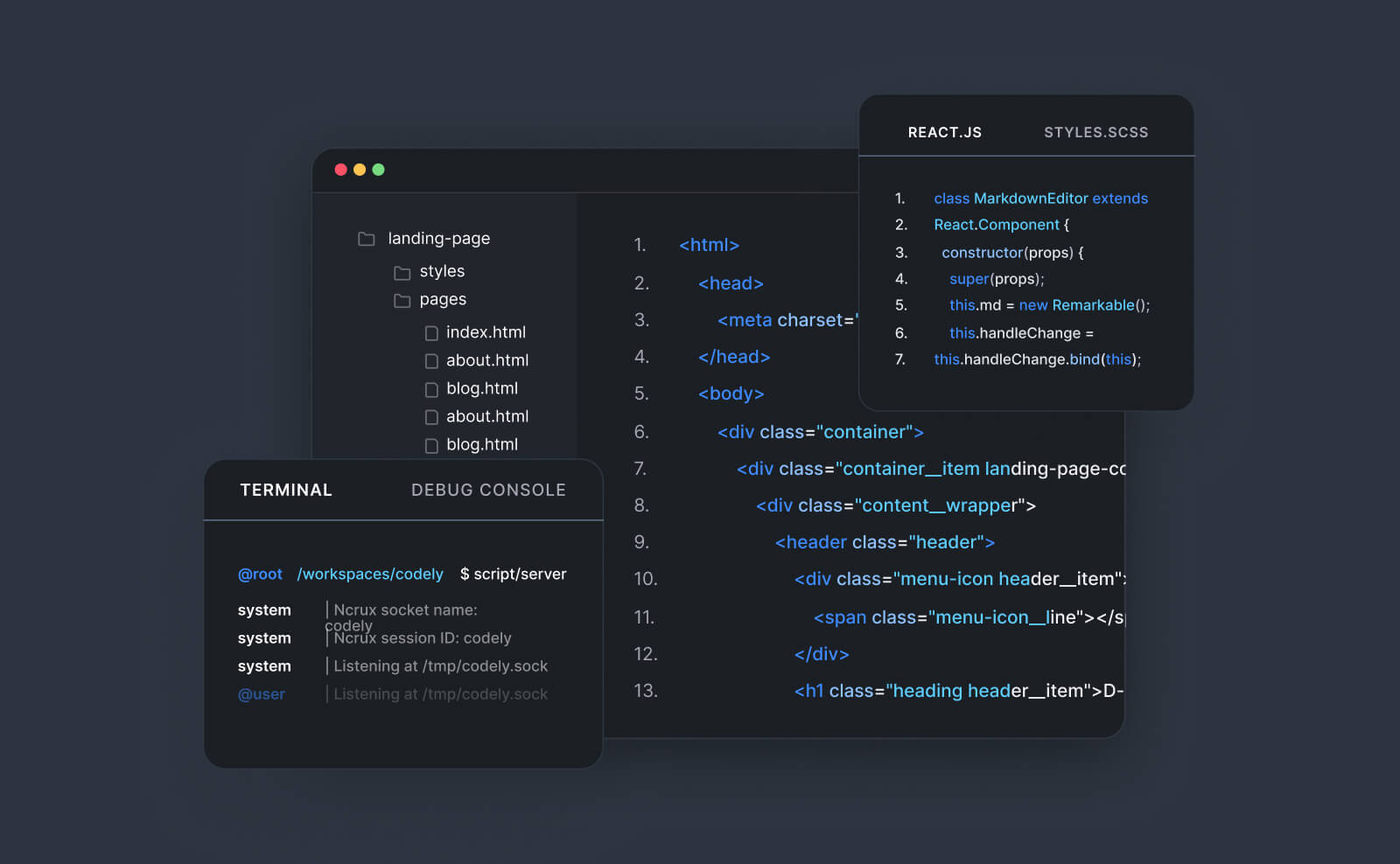
#1 VS Code by Microsoft
At risus viverra adipiscing at in tellus integer feugiat nisl pretium fusce id velit ut tortor sagittis orci a scelerisque purus semper eget at lectus urna duis convallis. Porta nibh venenatis cras sed felis eget neque laoreet suspendisse interdum consectetur libero id faucibus nisl donec pretium vulputate sapien nec sagittis aliquam nunc lobortis mattis aliquam faucibus purus in.
- Neque sodales ut etiam sit amet nisl purus non tellus orci ac auctor
- Adipiscing elit ut aliquam purus sit amet viverra suspendisse potenti
- Mauris commodo quis imperdiet massa tincidunt nunc pulvinar
- Adipiscing elit ut aliquam purus sit amet viverra suspendisse potenti
#2 Sublime Text Editor
Nisi quis eleifend quam adipiscing vitae aliquet bibendum enim facilisis gravida neque. Velit euismod in pellentesque massa placerat volutpat lacus laoreet non curabitur gravida odio aenean sed adipiscing diam donec adipiscing tristique risus. amet est placerat in egestas erat imperdiet sed euismod nisi.
“Nisi quis eleifend quam adipiscing vitae aliquet bibendum enim facilisis gravida neque velit euismod in pellentesque massa placerat”
Wrapping up the article
Eget lorem dolor sed viverra ipsum nunc aliquet bibendum felis donec et odio pellentesque diam volutpat commodo sed egestas aliquam sem fringilla ut morbi tincidunt augue interdum velit euismod eu tincidunt tortor aliquam nulla facilisi aenean sed adipiscing diam donec adipiscing ut lectus arcu bibendum at varius vel pharetra nibh venenatis cras sed felis eget.
The realistic version of "AI writes your contracts"
The pitch for AI-assisted contract drafting is usually oversold in one direction (a fully autonomous lawyer-in-a-box) or dismissed too quickly in the other (a novelty that produces generic boilerplate). The realistic picture is narrower and more useful than either: AI is genuinely good at specific parts of contract drafting, and genuinely unreliable at others.
Where AI actually helps
First drafts from a scope description
Turning a plain-English description of a project into a structured first-draft contract — with sections for scope, payment, timeline, and IP — is exactly the kind of pattern-completion task AI handles well. It saves the blank-page problem, which is often the biggest time cost of drafting from scratch.
Suggesting clauses you might have missed
Given a draft scope, AI can reliably flag "you haven't specified a kill fee" or "there's no late-payment clause here" — pattern-matching against common contract structures, not legal judgment, but genuinely useful as a checklist.
Rewriting for clarity
Turning dense legal phrasing into plain language a non-lawyer client will actually read (without changing the legal meaning) is a task AI performs well, and one that directly improves how quickly a client understands and signs.
Where a human still has to check
- Jurisdiction-specific enforceability — AI doesn't reliably know which clauses are enforceable in your specific country or state, and getting this wrong can void the protection you thought you had
- Anything unusual about the engagement — non-standard payment structures, joint IP ownership, multi-party contracts — the more the situation deviates from a common pattern, the less reliable AI-generated language becomes
- The actual legal risk of a specific clause — AI can suggest a kill fee percentage, but it can't tell you whether that percentage is defensible if actually challenged
"AI is a genuinely good first-draft generator and a genuinely bad final reviewer. Treating it as the opposite is where mistakes happen."
A sensible way to use it
Use AI to go from a blank page to a complete first draft, and to flag anything obviously missing. Read the whole thing yourself before sending it, specifically checking the clauses that matter most for your situation — payment terms, IP, termination. For anything genuinely unusual or high-stakes, a quick review from an actual lawyer is still worth the cost.
Contractly Pro includes AI assistance for drafting quotes and contracts, built on top of protections that stay consistent no matter what the AI suggests. Try it free →
Emile Ndagijimana
Senior Full-Stack Engineer based in France with 10+ years building enterprise systems for insurance, consulting, and international organisations. Founder of Contractly Pro — a contract management SaaS built end-to-end in .NET and Angular.