

Auto-Entrepreneur Invoicing Rules Explained (2026 Update)
The mandatory mentions every auto-entrepreneur invoice needs — and the mistakes that get flagged first.

What Is The Difference Between A Code Editor And An IDE Or A Text Editor?
Lorem ipsum dolor sit amet, consectetur adipiscing elit lobortis arcu enim urna adipiscing praesent velit viverra sit semper lorem eu cursus vel hendrerit elementum morbi curabitur etiam nibh justo, lorem aliquet donec sed sit mi dignissim at ante massa mattis.
- Neque sodales ut etiam sit amet nisl purus non tellus orci ac auctor
- Adipiscing elit ut aliquam purus sit amet viverra suspendisse potent i
- Mauris commodo quis imperdiet massa tincidunt nunc pulvinar
- Adipiscing elit ut aliquam purus sit amet viverra suspendisse potenti
Pros and Cons of Using These Editors:
Vitae congue eu consequat ac felis placerat vestibulum lectus mauris ultrices cursus sit amet dictum sit amet justo donec enim diam porttitor lacus luctus accumsan tortor posuere praesent tristique magna sit amet purus gravida quis blandit turpis.
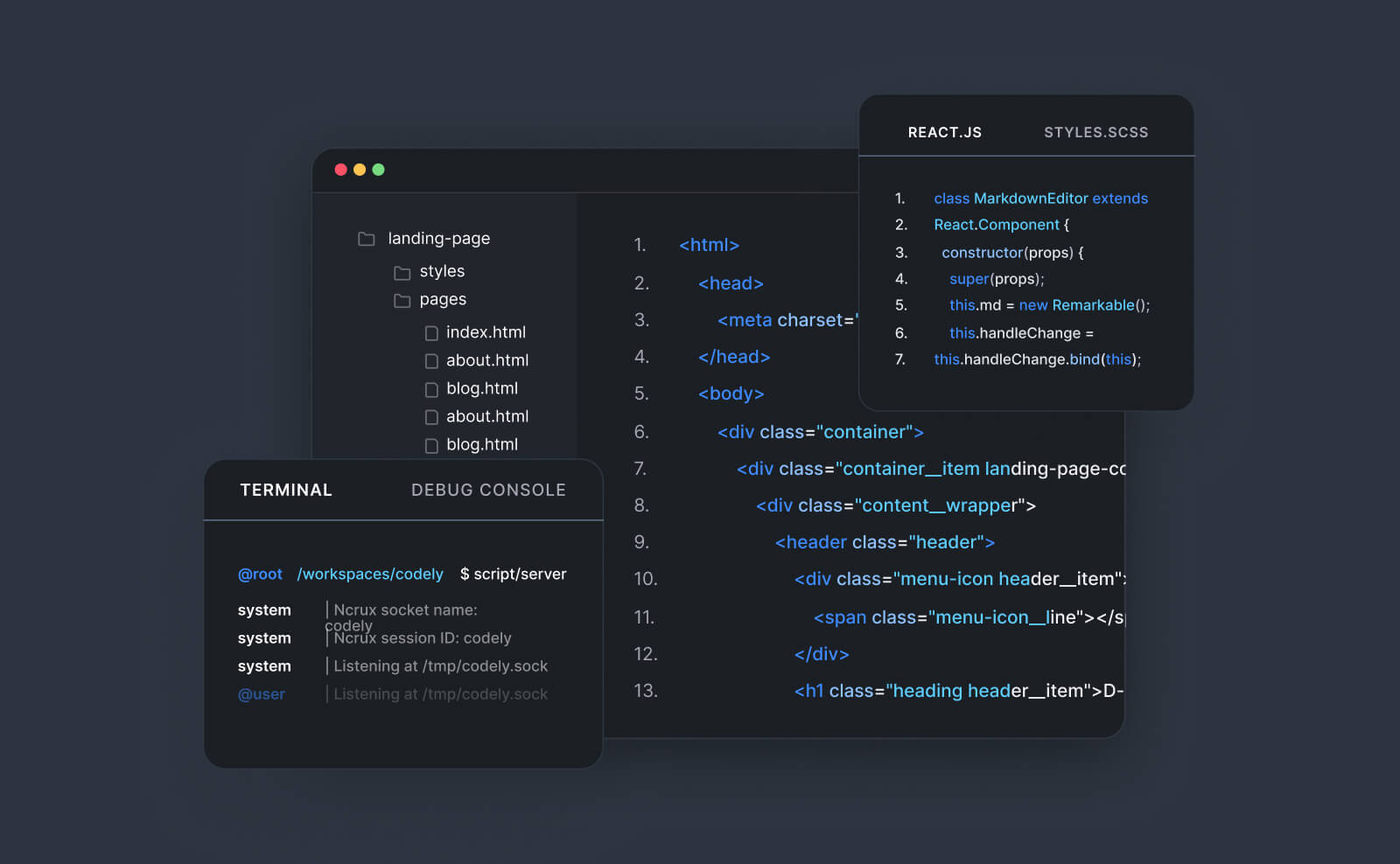
#1 VS Code by Microsoft
At risus viverra adipiscing at in tellus integer feugiat nisl pretium fusce id velit ut tortor sagittis orci a scelerisque purus semper eget at lectus urna duis convallis. Porta nibh venenatis cras sed felis eget neque laoreet suspendisse interdum consectetur libero id faucibus nisl donec pretium vulputate sapien nec sagittis aliquam nunc lobortis mattis aliquam faucibus purus in.
- Neque sodales ut etiam sit amet nisl purus non tellus orci ac auctor
- Adipiscing elit ut aliquam purus sit amet viverra suspendisse potenti
- Mauris commodo quis imperdiet massa tincidunt nunc pulvinar
- Adipiscing elit ut aliquam purus sit amet viverra suspendisse potenti
#2 Sublime Text Editor
Nisi quis eleifend quam adipiscing vitae aliquet bibendum enim facilisis gravida neque. Velit euismod in pellentesque massa placerat volutpat lacus laoreet non curabitur gravida odio aenean sed adipiscing diam donec adipiscing tristique risus. amet est placerat in egestas erat imperdiet sed euismod nisi.
“Nisi quis eleifend quam adipiscing vitae aliquet bibendum enim facilisis gravida neque velit euismod in pellentesque massa placerat”
Wrapping up the article
Eget lorem dolor sed viverra ipsum nunc aliquet bibendum felis donec et odio pellentesque diam volutpat commodo sed egestas aliquam sem fringilla ut morbi tincidunt augue interdum velit euismod eu tincidunt tortor aliquam nulla facilisi aenean sed adipiscing diam donec adipiscing ut lectus arcu bibendum at varius vel pharetra nibh venenatis cras sed felis eget.
The invoice rules that predate the e-invoicing reform — and still trip people up
Before France's e-invoicing mandate even enters the picture, there's a simpler problem: a lot of auto-entrepreneur invoices are already missing mandatory information, and most freelancers don't find out until a client's accounting department bounces one back, or worse, until a tax audit asks for it.
This is the baseline — the mandatory mentions every auto-entrepreneur invoice needs regardless of format, plus the mistakes I see most often. The 2026-2027 e-invoicing changes (I've written about the timeline separately) layer additional structured-format requirements on top of this, not instead of it.
"This is general guidance, not tax advice specific to your situation — when in doubt, your accountant or impots.gouv.fr has the final word."
The mandatory mentions, in full
Every invoice you issue as an auto-entrepreneur needs to include:
- A unique, sequential invoice number — no gaps, no reused numbers. Most tax authorities treat a broken sequence as a red flag.
- The issue date and, if different, the date the service or delivery was completed.
- Your identity — full name (or business name if you have one), address, and SIREN number.
- Your client's identity — name and address, and their SIRET if the client is itself a registered business.
- A description of what you sold — nature of the service or product, quantity, and unit price before tax.
- The total amount due.
- The VAT mention — most auto-entrepreneurs operate under the "franchise en base de TVA," which means the invoice must state "TVA non applicable, article 293 B du CGI" rather than charging VAT. If you've crossed the VAT threshold and now charge it, the rate and amount need to be broken out explicitly instead.
- Payment terms — due date and, for B2B invoices, the late-payment penalty rate that applies if the client pays late.
- The €40 fixed compensation clause — French law requires B2B invoices to state that a flat €40 recovery fee applies in case of late payment, separate from any penalty interest.
The mistakes I see most often
Forgetting the VAT exemption mention entirely
This is the single most common gap. It's an easy line to forget when you're building your own invoice template from scratch, and it's the first thing that looks unprofessional to a client's finance team — or draws attention during a tax review.
Renumbering or skipping invoice numbers
Deleting a draft invoice and reusing its number, or restarting numbering mid-year without a clear convention, creates exactly the kind of inconsistency that turns a routine check into a longer one. Pick a numbering scheme once — year-sequential is the simplest — and never break it.
No late-payment terms on B2B invoices
Freelancers often leave payment terms vague to avoid seeming aggressive with a new client. Contractually, that's backwards: the late-payment penalty and €40 recovery clause aren't optional extras, they're what gives you standing to actually chase a late payment later.
Not keeping invoices for the full retention period
Invoices and supporting records need to be kept for 10 years in France. A spreadsheet on a laptop that gets replaced in three years isn't a retention strategy.
Where this is heading
None of this goes away under the 2026-2027 e-invoicing reform — it gets layered on top of a structured format requirement (Factur-X, UBL, or CII) delivered through an approved platform. The mandatory mentions above still need to be present; they just need to live inside a machine-readable structure instead of a free-form PDF.
Practically, that means the cleanest path is a tool that gets both right at once — the legal content and the delivery format — rather than fixing your invoice template today and re-fixing it again next year.
Emile Ndagijimana
Senior Full-Stack Engineer based in France with 10+ years building enterprise systems for insurance, consulting, and international organisations. Founder of Contractly Pro — a contract management SaaS built end-to-end in .NET and Angular.