

Deposits, Milestones, or Full Upfront? Choosing a Payment Structure
The pros and cons of each payment structure, and how to propose deposits or milestones without scaring off a new client.

What Is The Difference Between A Code Editor And An IDE Or A Text Editor?
Lorem ipsum dolor sit amet, consectetur adipiscing elit lobortis arcu enim urna adipiscing praesent velit viverra sit semper lorem eu cursus vel hendrerit elementum morbi curabitur etiam nibh justo, lorem aliquet donec sed sit mi dignissim at ante massa mattis.
- Neque sodales ut etiam sit amet nisl purus non tellus orci ac auctor
- Adipiscing elit ut aliquam purus sit amet viverra suspendisse potent i
- Mauris commodo quis imperdiet massa tincidunt nunc pulvinar
- Adipiscing elit ut aliquam purus sit amet viverra suspendisse potenti
Pros and Cons of Using These Editors:
Vitae congue eu consequat ac felis placerat vestibulum lectus mauris ultrices cursus sit amet dictum sit amet justo donec enim diam porttitor lacus luctus accumsan tortor posuere praesent tristique magna sit amet purus gravida quis blandit turpis.
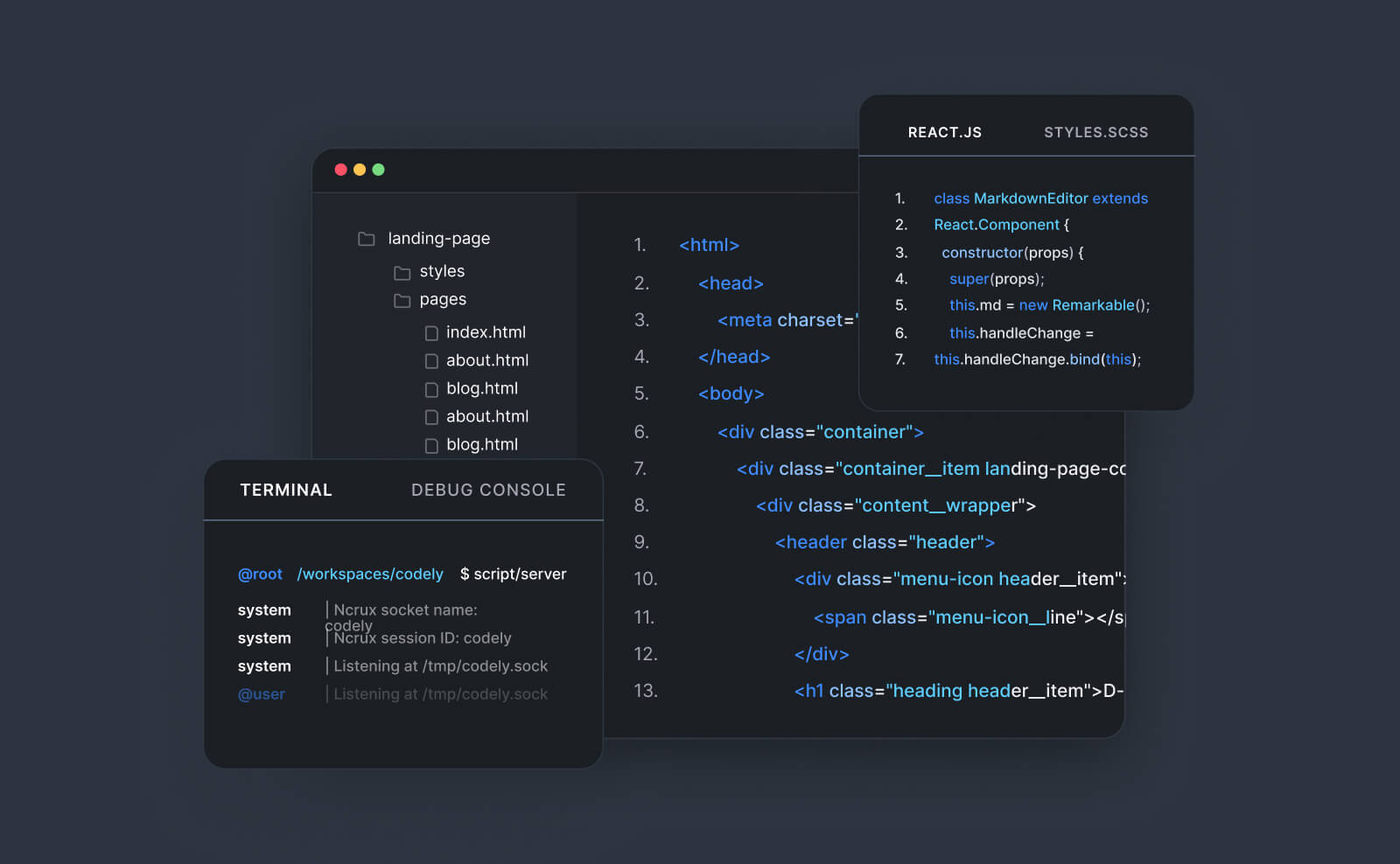
#1 VS Code by Microsoft
At risus viverra adipiscing at in tellus integer feugiat nisl pretium fusce id velit ut tortor sagittis orci a scelerisque purus semper eget at lectus urna duis convallis. Porta nibh venenatis cras sed felis eget neque laoreet suspendisse interdum consectetur libero id faucibus nisl donec pretium vulputate sapien nec sagittis aliquam nunc lobortis mattis aliquam faucibus purus in.
- Neque sodales ut etiam sit amet nisl purus non tellus orci ac auctor
- Adipiscing elit ut aliquam purus sit amet viverra suspendisse potenti
- Mauris commodo quis imperdiet massa tincidunt nunc pulvinar
- Adipiscing elit ut aliquam purus sit amet viverra suspendisse potenti
#2 Sublime Text Editor
Nisi quis eleifend quam adipiscing vitae aliquet bibendum enim facilisis gravida neque. Velit euismod in pellentesque massa placerat volutpat lacus laoreet non curabitur gravida odio aenean sed adipiscing diam donec adipiscing tristique risus. amet est placerat in egestas erat imperdiet sed euismod nisi.
“Nisi quis eleifend quam adipiscing vitae aliquet bibendum enim facilisis gravida neque velit euismod in pellentesque massa placerat”
Wrapping up the article
Eget lorem dolor sed viverra ipsum nunc aliquet bibendum felis donec et odio pellentesque diam volutpat commodo sed egestas aliquam sem fringilla ut morbi tincidunt augue interdum velit euismod eu tincidunt tortor aliquam nulla facilisi aenean sed adipiscing diam donec adipiscing ut lectus arcu bibendum at varius vel pharetra nibh venenatis cras sed felis eget.
The structure you choose changes your risk, not just your cash flow
Deposits, milestones, and full upfront payment aren't just different ways to time the same money — they shift real risk between you and the client. Choosing the right structure for a given project is as much a risk decision as a cash-flow one.
Full upfront
Pros: Zero payment risk once work begins, immediate cash flow, no chasing invoices mid-project.
Cons: The hardest structure to get a new or price-sensitive client to agree to; if the project scope changes significantly, renegotiating price after full payment already happened is awkward for both sides.
Best fit: smaller projects, clients you already have a track record with, or productized services with a fixed, well-understood scope.
Deposit + final payment
Pros: A deposit (typically 25-50%) demonstrates client commitment and covers your immediate costs, while still feeling reasonable to most clients; simple to explain and administer.
Cons: You're still carrying delivery risk on the remaining balance until the final payment lands, especially on longer projects where a lot of unpaid work happens between deposit and completion.
Best fit: most small-to-medium projects — this is the reasonable default when you don't have a strong reason to choose one of the other two.
Milestone payments
Pros: Risk is spread evenly across the project instead of concentrated at the end; each milestone is a natural checkpoint to confirm the client is satisfied before continuing, catching misalignment early rather than at final delivery.
Cons: More administrative overhead — each milestone needs its own clear deliverable definition and its own invoice; ambiguous milestones can create disputes about whether one was actually "met."
Best fit: larger or longer-running projects, especially ones where scope could plausibly evolve, since milestones create natural renegotiation points.
How to propose a structure without scaring off a client
The framing matters more than the structure itself. Presenting a deposit or milestone structure as "how I protect my business" reads as self-interested. Presenting it as "this is how we make sure the project stays aligned as we go" reads as professional and reduces the sense that you're the only one benefiting.
"Clients rarely push back on a deposit or milestone structure itself. They push back on a structure that feels arbitrary, or explained defensively instead of matter-of-factly."
State the structure plainly in your proposal, as a standard part of how you work — not something you're asking permission for. Clients calibrate their reaction to your own confidence in presenting it.
Choosing in practice
Small, well-defined projects: full upfront or a simple deposit. Medium projects with an established client: deposit plus final payment. Larger or longer projects, or ones with real scope uncertainty: milestones. None of these are universally correct — the right structure matches the project's size and risk, not a fixed rule you apply everywhere.
Contractly Pro supports deposits, milestone billing, and full-upfront invoicing, all generated directly from the same contract. Try it free →
Emile Ndagijimana
Senior Full-Stack Engineer based in France with 10+ years building enterprise systems for insurance, consulting, and international organisations. Founder of Contractly Pro — a contract management SaaS built end-to-end in .NET and Angular.