

Do Freelancers Actually Need a Contract? (Yes — Here's Why)
The real risk of skipping a contract isn't a lawsuit — it's an ordinary disagreement with nothing in writing to resolve it.

What Is The Difference Between A Code Editor And An IDE Or A Text Editor?
Lorem ipsum dolor sit amet, consectetur adipiscing elit lobortis arcu enim urna adipiscing praesent velit viverra sit semper lorem eu cursus vel hendrerit elementum morbi curabitur etiam nibh justo, lorem aliquet donec sed sit mi dignissim at ante massa mattis.
- Neque sodales ut etiam sit amet nisl purus non tellus orci ac auctor
- Adipiscing elit ut aliquam purus sit amet viverra suspendisse potent i
- Mauris commodo quis imperdiet massa tincidunt nunc pulvinar
- Adipiscing elit ut aliquam purus sit amet viverra suspendisse potenti
Pros and Cons of Using These Editors:
Vitae congue eu consequat ac felis placerat vestibulum lectus mauris ultrices cursus sit amet dictum sit amet justo donec enim diam porttitor lacus luctus accumsan tortor posuere praesent tristique magna sit amet purus gravida quis blandit turpis.
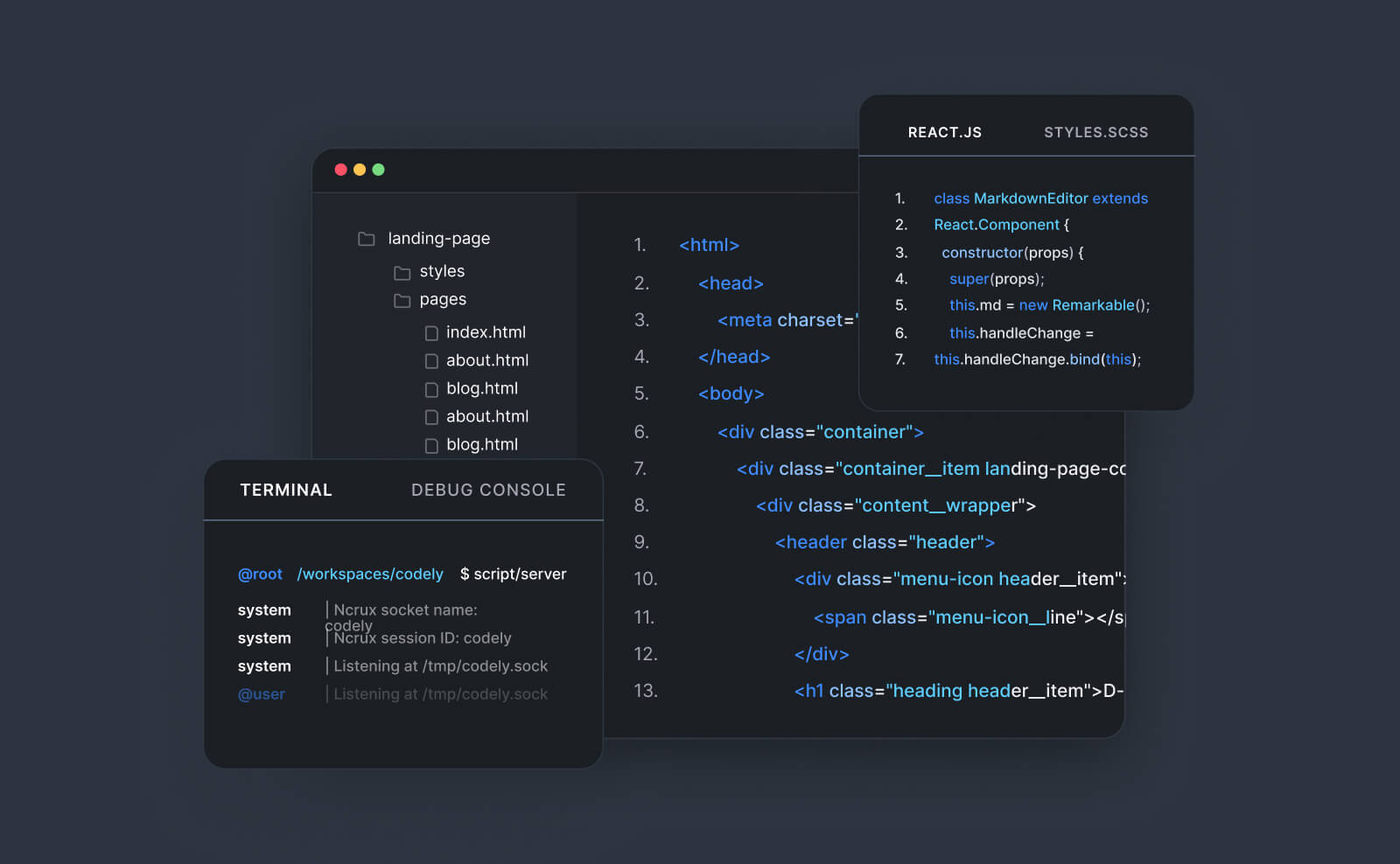
#1 VS Code by Microsoft
At risus viverra adipiscing at in tellus integer feugiat nisl pretium fusce id velit ut tortor sagittis orci a scelerisque purus semper eget at lectus urna duis convallis. Porta nibh venenatis cras sed felis eget neque laoreet suspendisse interdum consectetur libero id faucibus nisl donec pretium vulputate sapien nec sagittis aliquam nunc lobortis mattis aliquam faucibus purus in.
- Neque sodales ut etiam sit amet nisl purus non tellus orci ac auctor
- Adipiscing elit ut aliquam purus sit amet viverra suspendisse potenti
- Mauris commodo quis imperdiet massa tincidunt nunc pulvinar
- Adipiscing elit ut aliquam purus sit amet viverra suspendisse potenti
#2 Sublime Text Editor
Nisi quis eleifend quam adipiscing vitae aliquet bibendum enim facilisis gravida neque. Velit euismod in pellentesque massa placerat volutpat lacus laoreet non curabitur gravida odio aenean sed adipiscing diam donec adipiscing tristique risus. amet est placerat in egestas erat imperdiet sed euismod nisi.
“Nisi quis eleifend quam adipiscing vitae aliquet bibendum enim facilisis gravida neque velit euismod in pellentesque massa placerat”
Wrapping up the article
Eget lorem dolor sed viverra ipsum nunc aliquet bibendum felis donec et odio pellentesque diam volutpat commodo sed egestas aliquam sem fringilla ut morbi tincidunt augue interdum velit euismod eu tincidunt tortor aliquam nulla facilisi aenean sed adipiscing diam donec adipiscing ut lectus arcu bibendum at varius vel pharetra nibh venenatis cras sed felis eget.
The work you don't need a contract for is smaller than you think
Some freelancers reason that a contract is only necessary for large projects, or for new clients they don't trust yet. In practice, the projects that go wrong are rarely the ones you predicted would go wrong — they're ordinary projects with an ordinary client where expectations quietly diverged, and there was nothing in writing to point back to.
What actually happens without one
Without a contract, disagreements default to "he said, she said." A client who remembers agreeing to three revision rounds and you who remembers agreeing to two both have equally weak positions, because neither of you has anything to point to. That ambiguity doesn't just risk one disputed invoice — it risks the entire relationship, since resolving it requires someone to back down rather than someone to be provably right.
The disputes that end up costing freelancers real money are rarely about a client acting maliciously. They're about two reasonable people remembering an informal conversation differently, months after it happened.
What a contract actually protects you from
- Scope disputes — a written scope is the single best defense against "well, I thought this was included"
- Non-payment — a signed contract is what makes a late-payment penalty or legal escalation actually enforceable, instead of just a strongly worded email
- IP disputes — without explicit terms, who owns the final deliverable can be genuinely ambiguous, especially internationally
- Scope creep — a defined scope makes "that's outside what we agreed on" a factual statement, not an opinion
The minimum a contract needs to actually do its job
A contract doesn't need to be a 20-page legal document to be effective. At minimum, it should state:
- What's being delivered, specifically enough that "done" is unambiguous
- The total price and payment schedule (deposit, milestones, or full amount)
- The timeline, including what happens if either side causes a delay
- Who owns the final work, and when ownership transfers
- What happens if either party wants to end the engagement early
"A contract's real job isn't to prepare you for a lawsuit. It's to make sure you and the client are describing the same project when you both say yes."
The objection that doesn't hold up
"My clients trust me, I don't need a contract" confuses trust with alignment. Trust means you believe the client will act in good faith. A contract makes sure good faith on both sides is pointed at the same understanding of the work — which is a different problem entirely, and one that trust alone doesn't solve.
Contractly Pro turns every accepted quote directly into a contract, with the core protections built in from the start. Try it free →
Emile Ndagijimana
Senior Full-Stack Engineer based in France with 10+ years building enterprise systems for insurance, consulting, and international organisations. Founder of Contractly Pro — a contract management SaaS built end-to-end in .NET and Angular.