

Which Countries Are Easiest to Freelance In as a Non-Resident?
An overview of freelancer-friendly visa categories and what to actually check before choosing where to base yourself.

What Is The Difference Between A Code Editor And An IDE Or A Text Editor?
Lorem ipsum dolor sit amet, consectetur adipiscing elit lobortis arcu enim urna adipiscing praesent velit viverra sit semper lorem eu cursus vel hendrerit elementum morbi curabitur etiam nibh justo, lorem aliquet donec sed sit mi dignissim at ante massa mattis.
- Neque sodales ut etiam sit amet nisl purus non tellus orci ac auctor
- Adipiscing elit ut aliquam purus sit amet viverra suspendisse potent i
- Mauris commodo quis imperdiet massa tincidunt nunc pulvinar
- Adipiscing elit ut aliquam purus sit amet viverra suspendisse potenti
Pros and Cons of Using These Editors:
Vitae congue eu consequat ac felis placerat vestibulum lectus mauris ultrices cursus sit amet dictum sit amet justo donec enim diam porttitor lacus luctus accumsan tortor posuere praesent tristique magna sit amet purus gravida quis blandit turpis.
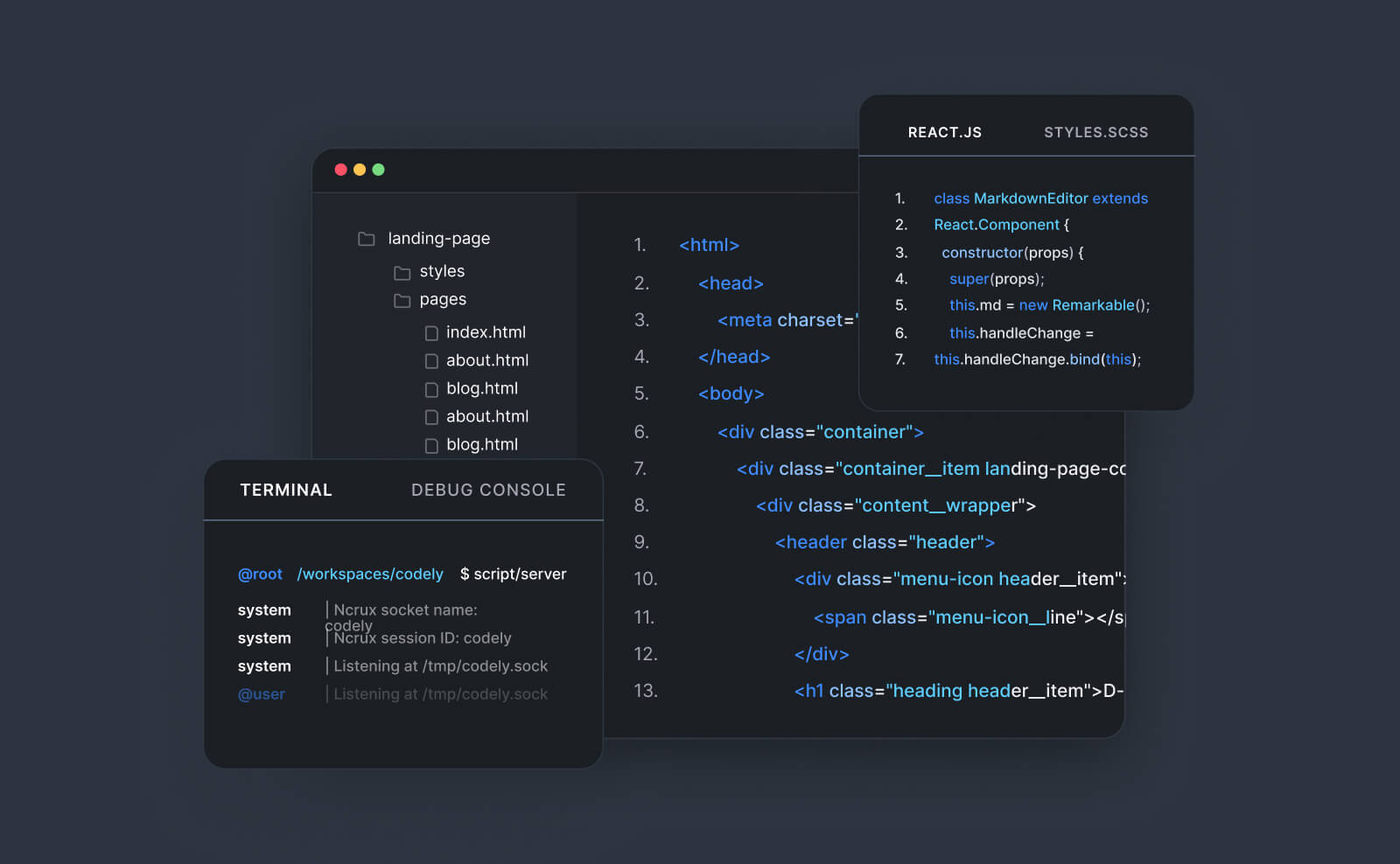
#1 VS Code by Microsoft
At risus viverra adipiscing at in tellus integer feugiat nisl pretium fusce id velit ut tortor sagittis orci a scelerisque purus semper eget at lectus urna duis convallis. Porta nibh venenatis cras sed felis eget neque laoreet suspendisse interdum consectetur libero id faucibus nisl donec pretium vulputate sapien nec sagittis aliquam nunc lobortis mattis aliquam faucibus purus in.
- Neque sodales ut etiam sit amet nisl purus non tellus orci ac auctor
- Adipiscing elit ut aliquam purus sit amet viverra suspendisse potenti
- Mauris commodo quis imperdiet massa tincidunt nunc pulvinar
- Adipiscing elit ut aliquam purus sit amet viverra suspendisse potenti
#2 Sublime Text Editor
Nisi quis eleifend quam adipiscing vitae aliquet bibendum enim facilisis gravida neque. Velit euismod in pellentesque massa placerat volutpat lacus laoreet non curabitur gravida odio aenean sed adipiscing diam donec adipiscing tristique risus. amet est placerat in egestas erat imperdiet sed euismod nisi.
“Nisi quis eleifend quam adipiscing vitae aliquet bibendum enim facilisis gravida neque velit euismod in pellentesque massa placerat”
Wrapping up the article
Eget lorem dolor sed viverra ipsum nunc aliquet bibendum felis donec et odio pellentesque diam volutpat commodo sed egestas aliquam sem fringilla ut morbi tincidunt augue interdum velit euismod eu tincidunt tortor aliquam nulla facilisi aenean sed adipiscing diam donec adipiscing ut lectus arcu bibendum at varius vel pharetra nibh venenatis cras sed felis eget.
An important framing note before the list
This is a general overview, not immigration or tax advice — visa rules, tax residency thresholds, and freelance-specific permits change frequently and depend heavily on your citizenship and specific situation. Always confirm current requirements with an immigration professional or the relevant government source before making a decision based on where to be a non-resident freelancer.
What makes a country "easy" for a non-resident freelancer
The countries that consistently come up as freelancer-friendly for non-residents tend to share a few traits: a defined visa or permit specifically for remote workers or freelancers (rather than requiring a local employer sponsor), a straightforward path to invoicing local or international clients without a complex local business registration, and tax treatment that's at least predictable, even if not always low.
Categories worth knowing about
Dedicated digital nomad visas
A growing number of countries — including Portugal, Estonia, Croatia, and several others — offer a specific visa category for remote workers and freelancers, typically requiring proof of income above a minimum threshold and health insurance, without requiring a local employer.
Countries with simple freelancer registration
Some countries make it straightforward for a resident (not necessarily a citizen) to register as a freelancer or sole proprietor with minimal bureaucracy — worth researching separately from the visa question, since visa eligibility and ease of registering as a freelancer once there are two different things.
Countries with favorable tax treaties
Tax treaties between your home country and a destination country can meaningfully affect double taxation — this is one of the areas where "easiest" varies most by your specific citizenship, and where a tax professional's advice is worth the cost before relocating.
The questions worth answering before choosing anywhere
- Does this country have a visa category that actually fits freelance income, not just employment?
- What's the minimum income or savings threshold, and do you clearly meet it?
- How does this country tax foreign-sourced freelance income, and is there a tax treaty with your home country?
- Can you actually invoice international clients from there without complex local registration?
"'Easiest' depends heavily on your citizenship, your income level, and which clients you serve — there's no single universally easiest country, only a better or worse fit for your specific situation."
Where compliance fits into this
Wherever you land, the operational side doesn't change: you still need contracts that hold up across borders, invoices that reflect the right currency and any local requirements, and clear records for tax purposes in whichever country claims you as a tax resident.
Contractly Pro supports freelancers working across countries and currencies, with contracts and invoicing that travel with you. Try it free →
Emile Ndagijimana
Senior Full-Stack Engineer based in France with 10+ years building enterprise systems for insurance, consulting, and international organisations. Founder of Contractly Pro — a contract management SaaS built end-to-end in .NET and Angular.