

Electronic Signatures Explained: Are They Legally Binding?
The legal basis for e-signatures, where country rules actually differ, and what makes a signature enforceable versus just a typed name.

What Is The Difference Between A Code Editor And An IDE Or A Text Editor?
Lorem ipsum dolor sit amet, consectetur adipiscing elit lobortis arcu enim urna adipiscing praesent velit viverra sit semper lorem eu cursus vel hendrerit elementum morbi curabitur etiam nibh justo, lorem aliquet donec sed sit mi dignissim at ante massa mattis.
- Neque sodales ut etiam sit amet nisl purus non tellus orci ac auctor
- Adipiscing elit ut aliquam purus sit amet viverra suspendisse potent i
- Mauris commodo quis imperdiet massa tincidunt nunc pulvinar
- Adipiscing elit ut aliquam purus sit amet viverra suspendisse potenti
Pros and Cons of Using These Editors:
Vitae congue eu consequat ac felis placerat vestibulum lectus mauris ultrices cursus sit amet dictum sit amet justo donec enim diam porttitor lacus luctus accumsan tortor posuere praesent tristique magna sit amet purus gravida quis blandit turpis.
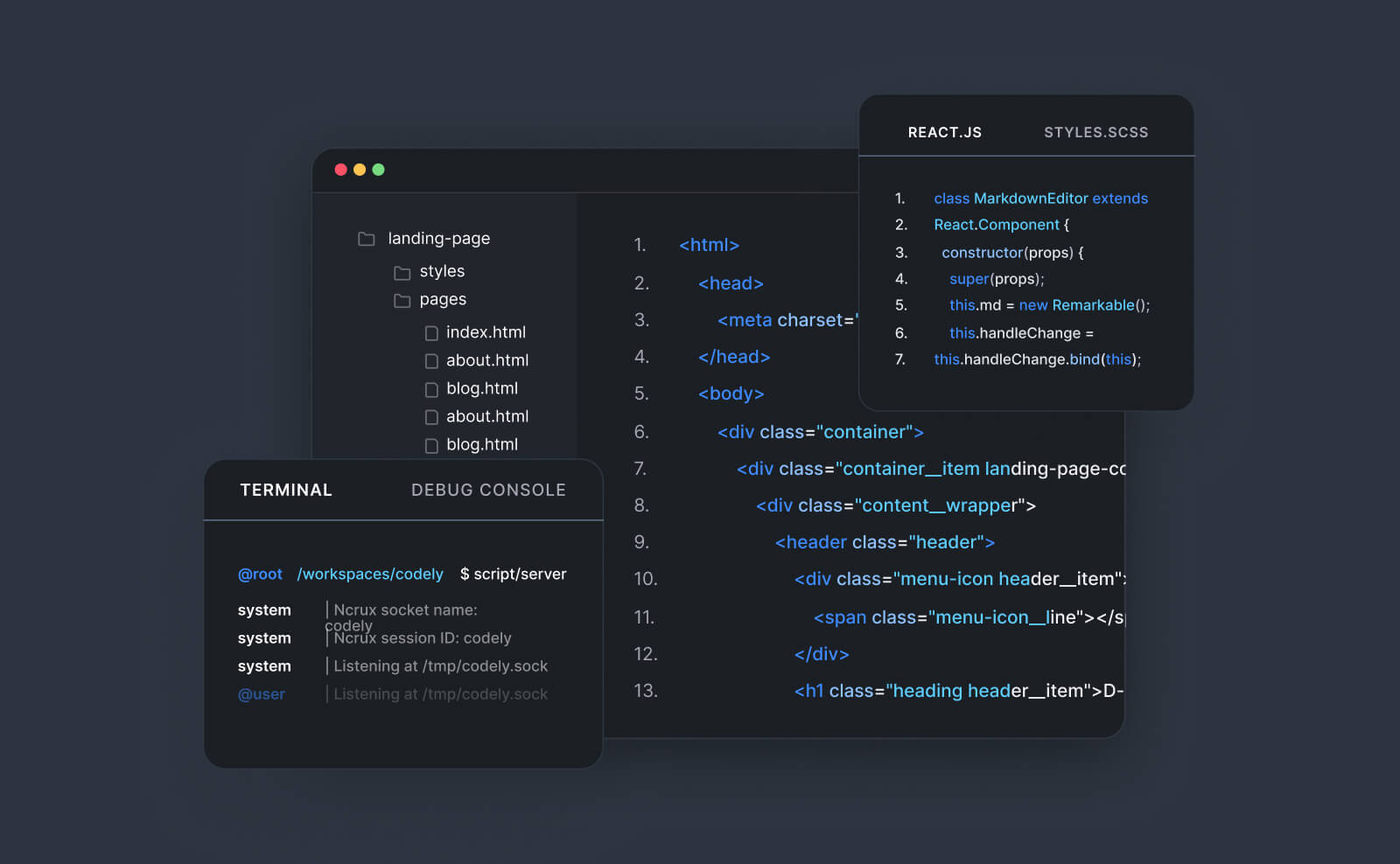
#1 VS Code by Microsoft
At risus viverra adipiscing at in tellus integer feugiat nisl pretium fusce id velit ut tortor sagittis orci a scelerisque purus semper eget at lectus urna duis convallis. Porta nibh venenatis cras sed felis eget neque laoreet suspendisse interdum consectetur libero id faucibus nisl donec pretium vulputate sapien nec sagittis aliquam nunc lobortis mattis aliquam faucibus purus in.
- Neque sodales ut etiam sit amet nisl purus non tellus orci ac auctor
- Adipiscing elit ut aliquam purus sit amet viverra suspendisse potenti
- Mauris commodo quis imperdiet massa tincidunt nunc pulvinar
- Adipiscing elit ut aliquam purus sit amet viverra suspendisse potenti
#2 Sublime Text Editor
Nisi quis eleifend quam adipiscing vitae aliquet bibendum enim facilisis gravida neque. Velit euismod in pellentesque massa placerat volutpat lacus laoreet non curabitur gravida odio aenean sed adipiscing diam donec adipiscing tristique risus. amet est placerat in egestas erat imperdiet sed euismod nisi.
“Nisi quis eleifend quam adipiscing vitae aliquet bibendum enim facilisis gravida neque velit euismod in pellentesque massa placerat”
Wrapping up the article
Eget lorem dolor sed viverra ipsum nunc aliquet bibendum felis donec et odio pellentesque diam volutpat commodo sed egestas aliquam sem fringilla ut morbi tincidunt augue interdum velit euismod eu tincidunt tortor aliquam nulla facilisi aenean sed adipiscing diam donec adipiscing ut lectus arcu bibendum at varius vel pharetra nibh venenatis cras sed felis eget.
The short answer: yes, in most cases
Electronic signatures are legally valid across most of the world, including the US, EU, and UK — but "legally valid" comes with conditions worth understanding, especially since the specific requirements vary by country and by document type.
The legal basis, briefly
In the United States, the ESIGN Act (2000) and UETA give electronic signatures the same legal standing as handwritten ones for most contracts. In the EU, the eIDAS regulation does the same, and additionally defines tiers of electronic signature (simple, advanced, qualified) with different levels of legal weight depending on the sensitivity of the document.
The common thread across jurisdictions: an electronic signature is binding when it demonstrates clear intent to sign, is reliably linked to the signer, and the record of the signing process is preserved. Most everyday business contracts — freelance agreements, service contracts, NDAs — fall well within what a standard "simple" electronic signature legally covers.
Where country variations actually matter
- Real estate, wills, and some family law documents often require wet-ink signatures or notarization regardless of jurisdiction — electronic signatures typically aren't accepted for these
- The EU's "qualified" e-signature tier requires a certificate from a licensed provider and is reserved for higher-stakes documents — most freelance contracts don't need this tier
- Some countries require specific disclosures to the signer before an e-signature is considered valid, so not every e-signature tool is compliant everywhere out of the box
For the overwhelming majority of freelance work — service agreements, project contracts, NDAs — a standard electronic signature from a reputable platform is legally binding almost everywhere. The exceptions are specific, known categories of document, not a general rule freelancers need to worry about day to day.
What actually makes an e-signature enforceable
A valid e-signature isn't just a typed name or a scribble on a touchscreen — what makes it legally defensible is the record behind it: a timestamp, the signer's IP address or authentication method, and an audit trail showing exactly what document was presented and agreed to. This is what a proper e-signature platform provides that simply typing your name in a Word document does not.
"The signature itself is almost incidental. What actually makes it enforceable is the audit trail proving who signed what, and when."
The practical takeaway
For nearly all freelance contracts, a reputable e-signature platform gives you a signature that's just as legally binding as ink on paper — with better record-keeping than most paper contracts ever had. The one thing worth confirming for any unusual document type is whether it falls into one of the narrow categories (real estate, certain legal filings) that still require a different process in your specific country.
Contractly Pro includes built-in e-signatures with a full audit trail on every contract, generated directly from your quote. Try it free →
Emile Ndagijimana
Senior Full-Stack Engineer based in France with 10+ years building enterprise systems for insurance, consulting, and international organisations. Founder of Contractly Pro — a contract management SaaS built end-to-end in .NET and Angular.