

The Freelancer's Guide to Getting Paid On Time, Every Time
Why late payments actually happen, the contract terms that prevent them, and what automated invoicing fixes that willpower can't.

What Is The Difference Between A Code Editor And An IDE Or A Text Editor?
Lorem ipsum dolor sit amet, consectetur adipiscing elit lobortis arcu enim urna adipiscing praesent velit viverra sit semper lorem eu cursus vel hendrerit elementum morbi curabitur etiam nibh justo, lorem aliquet donec sed sit mi dignissim at ante massa mattis.
- Neque sodales ut etiam sit amet nisl purus non tellus orci ac auctor
- Adipiscing elit ut aliquam purus sit amet viverra suspendisse potent i
- Mauris commodo quis imperdiet massa tincidunt nunc pulvinar
- Adipiscing elit ut aliquam purus sit amet viverra suspendisse potenti
Pros and Cons of Using These Editors:
Vitae congue eu consequat ac felis placerat vestibulum lectus mauris ultrices cursus sit amet dictum sit amet justo donec enim diam porttitor lacus luctus accumsan tortor posuere praesent tristique magna sit amet purus gravida quis blandit turpis.
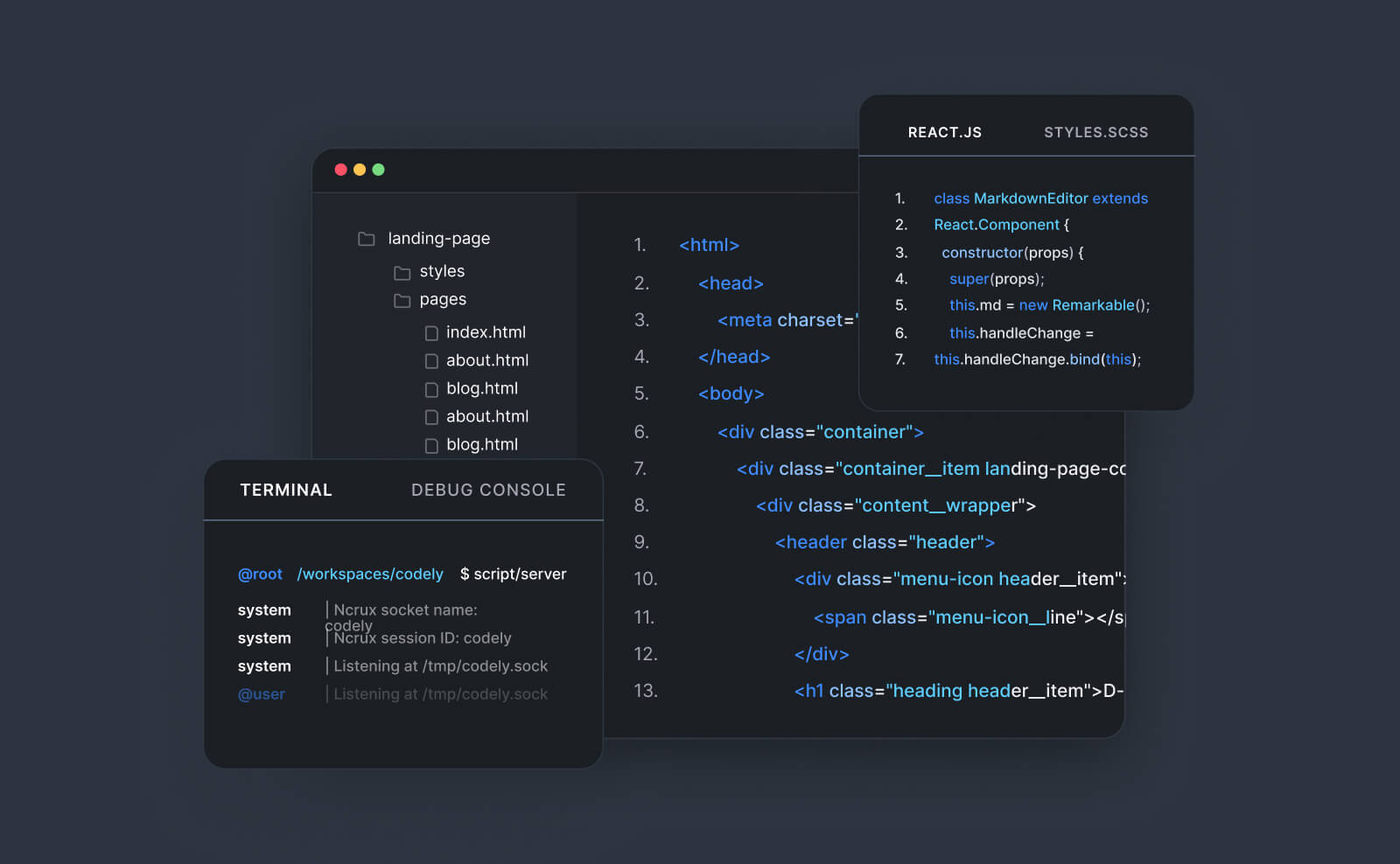
#1 VS Code by Microsoft
At risus viverra adipiscing at in tellus integer feugiat nisl pretium fusce id velit ut tortor sagittis orci a scelerisque purus semper eget at lectus urna duis convallis. Porta nibh venenatis cras sed felis eget neque laoreet suspendisse interdum consectetur libero id faucibus nisl donec pretium vulputate sapien nec sagittis aliquam nunc lobortis mattis aliquam faucibus purus in.
- Neque sodales ut etiam sit amet nisl purus non tellus orci ac auctor
- Adipiscing elit ut aliquam purus sit amet viverra suspendisse potenti
- Mauris commodo quis imperdiet massa tincidunt nunc pulvinar
- Adipiscing elit ut aliquam purus sit amet viverra suspendisse potenti
#2 Sublime Text Editor
Nisi quis eleifend quam adipiscing vitae aliquet bibendum enim facilisis gravida neque. Velit euismod in pellentesque massa placerat volutpat lacus laoreet non curabitur gravida odio aenean sed adipiscing diam donec adipiscing tristique risus. amet est placerat in egestas erat imperdiet sed euismod nisi.
“Nisi quis eleifend quam adipiscing vitae aliquet bibendum enim facilisis gravida neque velit euismod in pellentesque massa placerat”
Wrapping up the article
Eget lorem dolor sed viverra ipsum nunc aliquet bibendum felis donec et odio pellentesque diam volutpat commodo sed egestas aliquam sem fringilla ut morbi tincidunt augue interdum velit euismod eu tincidunt tortor aliquam nulla facilisi aenean sed adipiscing diam donec adipiscing ut lectus arcu bibendum at varius vel pharetra nibh venenatis cras sed felis eget.
Why late payments happen in the first place
Late payment is rarely pure malice. In most cases, it's one of three things: the client's own internal approval process is slower than either of you expected, your invoice got buried in an inbox with no clear next action, or — the one that's actually preventable — your payment terms were never made explicit enough to create real urgency.
Freelancers often assume a client understands "please pay promptly" the same way they do. Without a specific due date, a specific late fee, and a specific consequence, "promptly" means whatever is convenient for the client, not you.
The contract terms that actually prevent late payment
Getting paid on time starts well before the invoice — it starts in the contract, before any work begins.
- A specific due date, not "net 30" buried in fine print — spell it out as an actual date once the invoice is issued
- A stated late-payment penalty — even a modest one changes the psychology of "I'll get to it next week"
- A deposit or milestone structure for larger projects, so you're never carrying 100% of the delivery risk before any payment lands
- A defined consequence for non-payment — work pauses, access is suspended, whatever fits your business — stated plainly, not implied
None of this needs to sound aggressive. Clear terms, stated once and consistently, read as professional. Vague terms read as negotiable — and clients will treat them that way.
What automated invoicing actually fixes
Even with a strong contract, manual invoicing leaves gaps: forgetting to send the invoice the day work is delivered, forgetting to follow up when it's three days overdue, losing track of which of six clients has actually paid this month. None of these are pricing or contract problems — they're process problems, and they're exactly where automation earns its keep.
What to automate first
Automatic invoice generation the moment a milestone or contract is marked complete removes the single biggest source of delay: you forgetting to send it. Automatic reminder emails at set intervals (a day before due, the day of, a few days after) remove the second biggest source: an invoice that's overdue but nobody's tracking it.
"The freelancers who get paid on time aren't chasing harder. They've just removed the steps where a payment could quietly fall through the cracks."
Putting it together
Getting paid on time isn't one trick — it's a contract that sets real expectations, an invoice that's sent the moment it's earned, and a follow-up process that doesn't depend on you remembering. Most freelancers have one of these three. Getting paid reliably requires all three working together, ideally without you manually running any of them.
Managing this by hand across a contract template, a separate invoicing app, and your own memory is exactly where things slip. Contractly Pro connects contracts, invoicing, and payment tracking in one place. Try it free →
Emile Ndagijimana
Senior Full-Stack Engineer based in France with 10+ years building enterprise systems for insurance, consulting, and international organisations. Founder of Contractly Pro — a contract management SaaS built end-to-end in .NET and Angular.