

Freelancing Across Borders: Contracts, Currencies, and Compliance
Cross-border legal basics, currency clauses that prevent disputes, and what's worth standardizing across every international client.

What Is The Difference Between A Code Editor And An IDE Or A Text Editor?
Lorem ipsum dolor sit amet, consectetur adipiscing elit lobortis arcu enim urna adipiscing praesent velit viverra sit semper lorem eu cursus vel hendrerit elementum morbi curabitur etiam nibh justo, lorem aliquet donec sed sit mi dignissim at ante massa mattis.
- Neque sodales ut etiam sit amet nisl purus non tellus orci ac auctor
- Adipiscing elit ut aliquam purus sit amet viverra suspendisse potent i
- Mauris commodo quis imperdiet massa tincidunt nunc pulvinar
- Adipiscing elit ut aliquam purus sit amet viverra suspendisse potenti
Pros and Cons of Using These Editors:
Vitae congue eu consequat ac felis placerat vestibulum lectus mauris ultrices cursus sit amet dictum sit amet justo donec enim diam porttitor lacus luctus accumsan tortor posuere praesent tristique magna sit amet purus gravida quis blandit turpis.
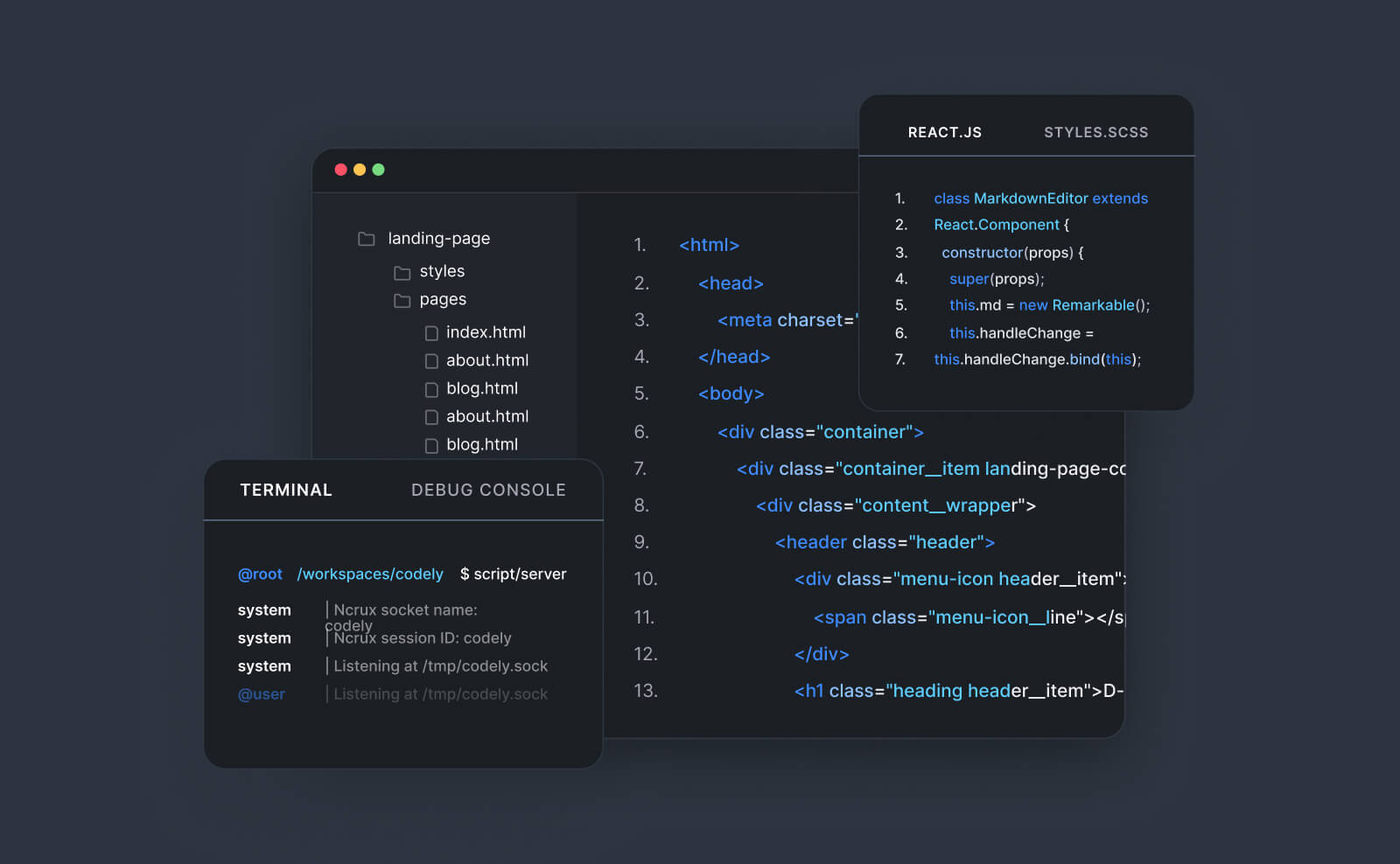
#1 VS Code by Microsoft
At risus viverra adipiscing at in tellus integer feugiat nisl pretium fusce id velit ut tortor sagittis orci a scelerisque purus semper eget at lectus urna duis convallis. Porta nibh venenatis cras sed felis eget neque laoreet suspendisse interdum consectetur libero id faucibus nisl donec pretium vulputate sapien nec sagittis aliquam nunc lobortis mattis aliquam faucibus purus in.
- Neque sodales ut etiam sit amet nisl purus non tellus orci ac auctor
- Adipiscing elit ut aliquam purus sit amet viverra suspendisse potenti
- Mauris commodo quis imperdiet massa tincidunt nunc pulvinar
- Adipiscing elit ut aliquam purus sit amet viverra suspendisse potenti
#2 Sublime Text Editor
Nisi quis eleifend quam adipiscing vitae aliquet bibendum enim facilisis gravida neque. Velit euismod in pellentesque massa placerat volutpat lacus laoreet non curabitur gravida odio aenean sed adipiscing diam donec adipiscing tristique risus. amet est placerat in egestas erat imperdiet sed euismod nisi.
“Nisi quis eleifend quam adipiscing vitae aliquet bibendum enim facilisis gravida neque velit euismod in pellentesque massa placerat”
Wrapping up the article
Eget lorem dolor sed viverra ipsum nunc aliquet bibendum felis donec et odio pellentesque diam volutpat commodo sed egestas aliquam sem fringilla ut morbi tincidunt augue interdum velit euismod eu tincidunt tortor aliquam nulla facilisi aenean sed adipiscing diam donec adipiscing ut lectus arcu bibendum at varius vel pharetra nibh venenatis cras sed felis eget.
Cross-border freelancing multiplies the number of things that can go quietly wrong
A contract, a currency, and a compliance requirement that all work fine for a domestic client can each become a separate small risk the moment a client is in a different country. None of these risks are exotic — they're just easy to overlook because they weren't relevant to your last ten projects.
Cross-border legal basics worth knowing
Which country's law actually governs a dispute isn't automatic — it should be stated explicitly in the contract (a "governing law" clause), because without it, resolving a disagreement can mean figuring out which country's courts even have jurisdiction before you can address the actual dispute. Similarly, an e-signature that's clearly valid in your country may sit in a legal gray area in the client's, particularly for certain document types — worth a quick check for any unusually high-value engagement.
Currency clauses that prevent disputes later
Beyond simply stating which currency you're invoicing in (see: minimizing conversion fees), a cross-border contract benefits from being explicit about who bears currency risk on a long project. A clause specifying that the price is fixed in your invoicing currency, regardless of how exchange rates move before payment, removes a source of disagreement if rates shift significantly between the quote and the final invoice.
What's worth standardizing across every international client
- A governing law clause — pick a consistent default (often your own country's law) and apply it to every cross-border contract
- A consistent invoicing currency policy — decide in advance whether you invoice in your currency, the client's, or a stable third currency, rather than deciding case by case
- A standard e-signature and document process — one that you've confirmed works across the jurisdictions you regularly work with
- Tax documentation — know which forms (like a W-8BEN for US clients, if you're a non-US freelancer) you may need to provide before a client can pay you without excess withholding
"Cross-border freelancing isn't riskier because international clients are less trustworthy. It's riskier because more of the defaults you rely on domestically simply don't apply."
The standardization payoff
Figuring out governing law, currency, and documentation requirements once, and applying the same standard contract template to every international client afterward, turns cross-border work from a case-by-case research project into a repeatable process — the same shift that domestic freelancers already make once they stop reinventing their contract for every new client.
Contractly Pro supports contracts and invoicing across countries and currencies, built for freelancers working internationally from day one. Try it free →
Emile Ndagijimana
Senior Full-Stack Engineer based in France with 10+ years building enterprise systems for insurance, consulting, and international organisations. Founder of Contractly Pro — a contract management SaaS built end-to-end in .NET and Angular.