

French E-Invoicing 2026: What Freelancers Need to Know
The e-invoicing deadline freelancers actually need to know: what's mandatory, when, and how to get ready before September 2026.

What Is The Difference Between A Code Editor And An IDE Or A Text Editor?
Lorem ipsum dolor sit amet, consectetur adipiscing elit lobortis arcu enim urna adipiscing praesent velit viverra sit semper lorem eu cursus vel hendrerit elementum morbi curabitur etiam nibh justo, lorem aliquet donec sed sit mi dignissim at ante massa mattis.
- Neque sodales ut etiam sit amet nisl purus non tellus orci ac auctor
- Adipiscing elit ut aliquam purus sit amet viverra suspendisse potent i
- Mauris commodo quis imperdiet massa tincidunt nunc pulvinar
- Adipiscing elit ut aliquam purus sit amet viverra suspendisse potenti
Pros and Cons of Using These Editors:
Vitae congue eu consequat ac felis placerat vestibulum lectus mauris ultrices cursus sit amet dictum sit amet justo donec enim diam porttitor lacus luctus accumsan tortor posuere praesent tristique magna sit amet purus gravida quis blandit turpis.
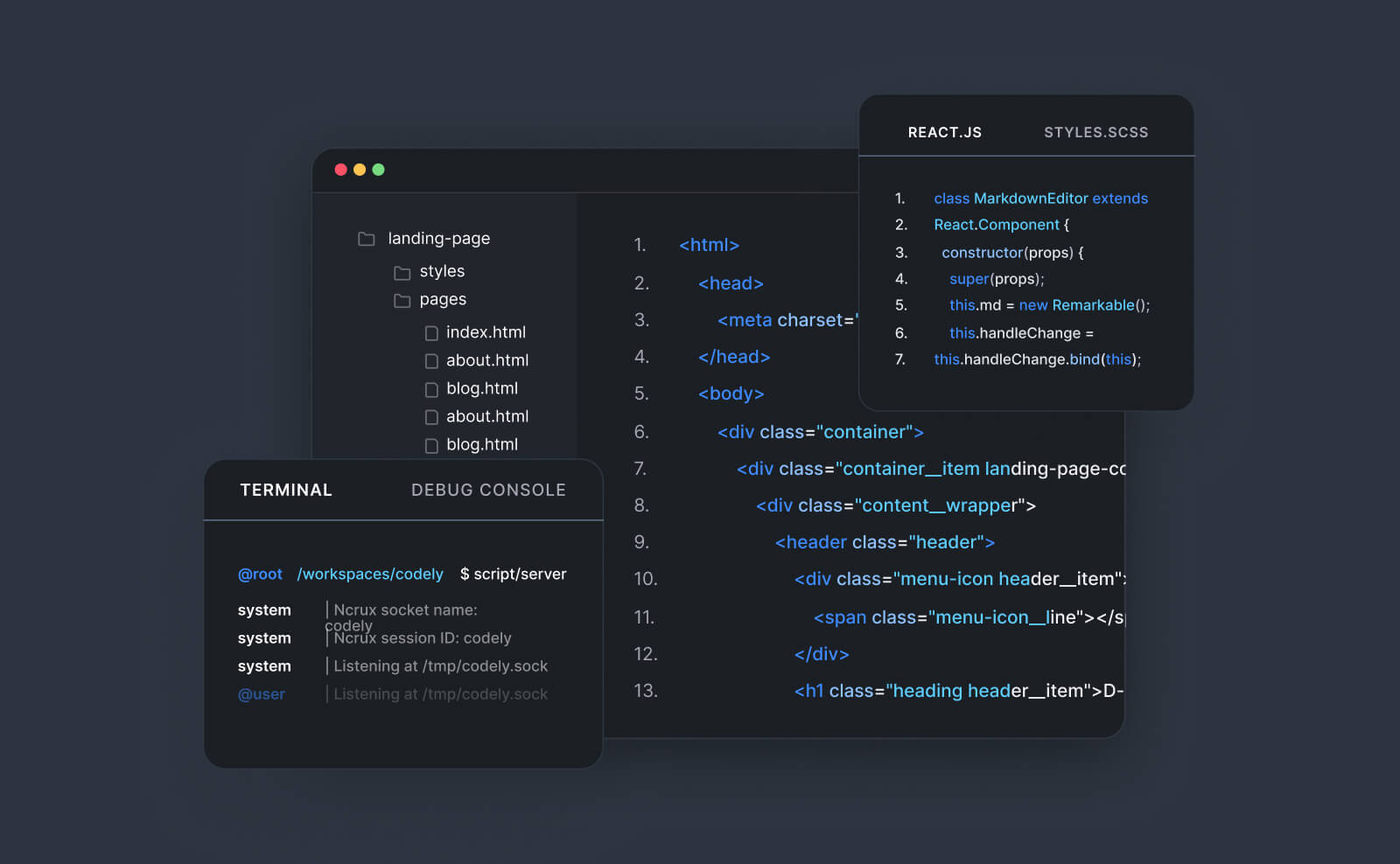
#1 VS Code by Microsoft
At risus viverra adipiscing at in tellus integer feugiat nisl pretium fusce id velit ut tortor sagittis orci a scelerisque purus semper eget at lectus urna duis convallis. Porta nibh venenatis cras sed felis eget neque laoreet suspendisse interdum consectetur libero id faucibus nisl donec pretium vulputate sapien nec sagittis aliquam nunc lobortis mattis aliquam faucibus purus in.
- Neque sodales ut etiam sit amet nisl purus non tellus orci ac auctor
- Adipiscing elit ut aliquam purus sit amet viverra suspendisse potenti
- Mauris commodo quis imperdiet massa tincidunt nunc pulvinar
- Adipiscing elit ut aliquam purus sit amet viverra suspendisse potenti
#2 Sublime Text Editor
Nisi quis eleifend quam adipiscing vitae aliquet bibendum enim facilisis gravida neque. Velit euismod in pellentesque massa placerat volutpat lacus laoreet non curabitur gravida odio aenean sed adipiscing diam donec adipiscing tristique risus. amet est placerat in egestas erat imperdiet sed euismod nisi.
“Nisi quis eleifend quam adipiscing vitae aliquet bibendum enim facilisis gravida neque velit euismod in pellentesque massa placerat”
Wrapping up the article
Eget lorem dolor sed viverra ipsum nunc aliquet bibendum felis donec et odio pellentesque diam volutpat commodo sed egestas aliquam sem fringilla ut morbi tincidunt augue interdum velit euismod eu tincidunt tortor aliquam nulla facilisi aenean sed adipiscing diam donec adipiscing ut lectus arcu bibendum at varius vel pharetra nibh venenatis cras sed felis eget.
Why this is landing in your inbox now, not in six months
If you invoice anyone in France — clients, suppliers, other freelancers — the way you send and receive invoices is changing, and the first deadline isn't abstract anymore. Starting September 1, 2026, every business in France, including auto-entrepreneurs and micro-entrepreneurs, must be able to receive electronic invoices in a structured format. Issuing them follows in phases after that.
I build software for a living, and I still had to read the DGFiP's own documentation twice to be sure I understood the difference between "receiving" and "issuing" obligations. This is my attempt at the explanation I wish someone had given me — practical, not legalistic, and honest about what's still unsettled.
"This isn't tax advice. Confirm your specific obligations with your accountant or the official guidance at impots.gouv.fr — the schedule below reflects the rules as currently set, and this reform has already shifted once."
The timeline, as it stands today
The reform has two separate obligations, and conflating them is where most confusion starts:
Receiving e-invoices — September 1, 2026
Every business registered in France, regardless of size, must be able to receive electronic invoices through a certified platform (a Plateforme de Dématérialisation Partenaire, or a direct connection to the public portal). You don't need to issue anything yet — you just need the plumbing in place to receive what your larger clients and suppliers start sending you.
Issuing e-invoices — phased by company size
Large and mid-size companies (ETI and grandes entreprises) must start issuing electronic invoices from September 1, 2026 — the same date as the receiving obligation. Small businesses, including auto-entrepreneurs and micro-entrepreneurs, get an extra year: the issuing obligation for you kicks in September 1, 2027.
That extra year matters. It means most solo freelancers have real runway to get their invoicing workflow ready — but "next year" arrives faster than it sounds, especially if you're currently invoicing from a Word template or a spreadsheet.
Who's actually affected
Short version: if you're a business registered in France issuing invoices to other French businesses (B2B), this applies to you — auto-entrepreneur status doesn't exempt you. It does not apply to invoices sent to consumers (B2C) or to most cross-border transactions, which have their own separate reporting rules.
- Freelancers and auto-entrepreneurs invoicing French companies — covered, on the 2027 issuing timeline
- Anyone invoicing individual consumers only — not covered by the e-invoicing mandate itself (though separate e-reporting obligations may still apply)
- Businesses invoicing clients outside France — largely out of scope for e-invoicing specifically, but check e-reporting rules for cross-border sales
What compliance actually requires
This is the part that gets glossed over: e-invoicing isn't "email a PDF instead of printing it." A compliant electronic invoice means:
- A structured format — Factur-X (a PDF with embedded structured data), UBL, or CII. Not a plain PDF, not a scanned image.
- Delivery through an approved channel — either a registered Plateforme de Dématérialisation Partenaire (PDP) or the public invoicing portal.
- The right mandatory fields — SIREN numbers for both parties, a payment terms breakdown, and a few new fields the current French invoice format doesn't require today.
The practical consequence: whatever tool generates your invoices today needs to either support this natively or hand off to a platform that does. A spreadsheet cannot produce a Factur-X file. Neither can most generic invoicing templates.
How to actually prepare, starting now
You have time, but "time" is exactly what gets wasted if there's no concrete next action. Here's the order I'd tackle it in:
1. Confirm your own timeline
If you're a micro-entrepreneur or small structure, your issuing deadline is September 1, 2027 — but your receiving deadline is September 1, 2026, a month from when this is being written. If any of your clients or suppliers start sending you structured e-invoices next year, you need somewhere for them to land.
2. Don't try to build this yourself
Factur-X generation, PDP connectivity, and format validation are genuinely non-trivial — this is exactly the kind of narrow, high-stakes compliance surface where a purpose-built tool earns its cost. Rolling your own is possible but rarely worth the engineering time for a solo business.
3. Pick a tool before the deadline, not during it
The businesses that struggle with regulatory deadlines are almost always the ones who start shopping for a solution the month it becomes mandatory. Migrating your invoicing workflow — templates, client records, payment tracking — takes longer than people expect.
Where Contractly Pro fits
I built Contractly Pro because I kept seeing freelancers juggling a quote tool, a contract template, and an invoicing spreadsheet with no connection between them. French e-invoicing compliance is exactly the kind of thing that should live inside that same workflow rather than becoming a fourth disconnected tool — quotes become contracts, contracts become invoices, and the invoice itself is ready for what French regulation actually requires.
If you're a freelancer trying to get ahead of this rather than scrambling next year, that's precisely the gap Contractly Pro is built to close.
Emile Ndagijimana
Senior Full-Stack Engineer based in France with 10+ years building enterprise systems for insurance, consulting, and international organisations. Founder of Contractly Pro — a contract management SaaS built end-to-end in .NET and Angular.