

How to Handle a Client Who Won't Pay
Escalation steps in order, why your contract is the leverage that actually matters, and when it's worth involving a lawyer.

What Is The Difference Between A Code Editor And An IDE Or A Text Editor?
Lorem ipsum dolor sit amet, consectetur adipiscing elit lobortis arcu enim urna adipiscing praesent velit viverra sit semper lorem eu cursus vel hendrerit elementum morbi curabitur etiam nibh justo, lorem aliquet donec sed sit mi dignissim at ante massa mattis.
- Neque sodales ut etiam sit amet nisl purus non tellus orci ac auctor
- Adipiscing elit ut aliquam purus sit amet viverra suspendisse potent i
- Mauris commodo quis imperdiet massa tincidunt nunc pulvinar
- Adipiscing elit ut aliquam purus sit amet viverra suspendisse potenti
Pros and Cons of Using These Editors:
Vitae congue eu consequat ac felis placerat vestibulum lectus mauris ultrices cursus sit amet dictum sit amet justo donec enim diam porttitor lacus luctus accumsan tortor posuere praesent tristique magna sit amet purus gravida quis blandit turpis.
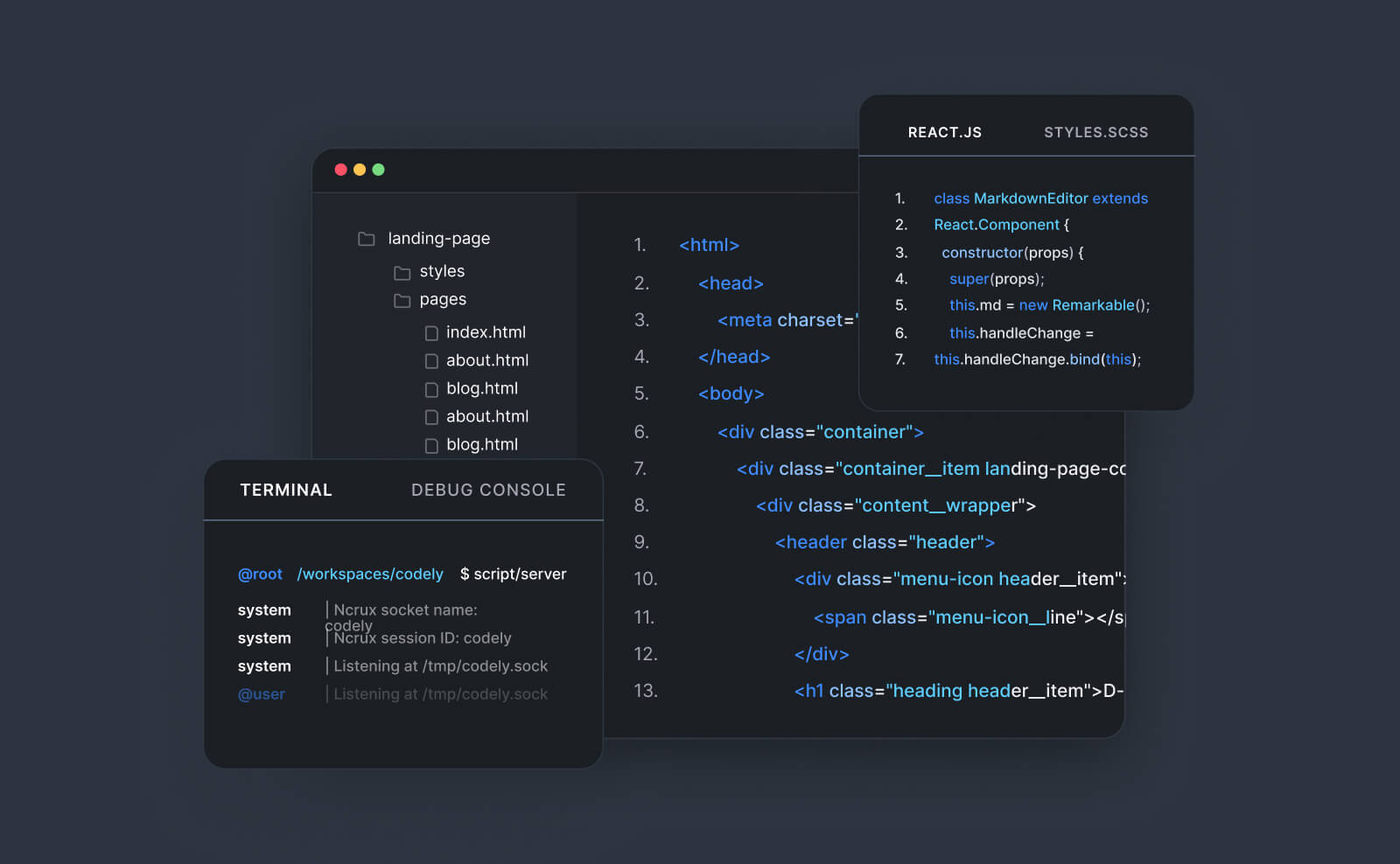
#1 VS Code by Microsoft
At risus viverra adipiscing at in tellus integer feugiat nisl pretium fusce id velit ut tortor sagittis orci a scelerisque purus semper eget at lectus urna duis convallis. Porta nibh venenatis cras sed felis eget neque laoreet suspendisse interdum consectetur libero id faucibus nisl donec pretium vulputate sapien nec sagittis aliquam nunc lobortis mattis aliquam faucibus purus in.
- Neque sodales ut etiam sit amet nisl purus non tellus orci ac auctor
- Adipiscing elit ut aliquam purus sit amet viverra suspendisse potenti
- Mauris commodo quis imperdiet massa tincidunt nunc pulvinar
- Adipiscing elit ut aliquam purus sit amet viverra suspendisse potenti
#2 Sublime Text Editor
Nisi quis eleifend quam adipiscing vitae aliquet bibendum enim facilisis gravida neque. Velit euismod in pellentesque massa placerat volutpat lacus laoreet non curabitur gravida odio aenean sed adipiscing diam donec adipiscing tristique risus. amet est placerat in egestas erat imperdiet sed euismod nisi.
“Nisi quis eleifend quam adipiscing vitae aliquet bibendum enim facilisis gravida neque velit euismod in pellentesque massa placerat”
Wrapping up the article
Eget lorem dolor sed viverra ipsum nunc aliquet bibendum felis donec et odio pellentesque diam volutpat commodo sed egestas aliquam sem fringilla ut morbi tincidunt augue interdum velit euismod eu tincidunt tortor aliquam nulla facilisi aenean sed adipiscing diam donec adipiscing ut lectus arcu bibendum at varius vel pharetra nibh venenatis cras sed felis eget.
Most non-payment situations aren't actually disputes — yet
Before assuming a client is refusing to pay, it's worth distinguishing between a client who's genuinely stalling or refusing, and one whose payment is simply delayed by an internal process, an oversight, or a temporary cash issue on their end. The right first steps are the same regardless, but knowing which situation you're actually in shapes how quickly to escalate.
The escalation steps, in order
1. A neutral, direct reminder
Reference the specific invoice, the due date, and the amount — no accusation, just facts. Most non-payment resolves at this stage, because it genuinely was an oversight.
2. A firmer follow-up referencing your contract terms
If the first reminder gets no response within a few days, follow up referencing the specific late-payment penalty from your contract, and state clearly that it now applies. This signals you're tracking this seriously without yet threatening anything beyond what was already agreed.
3. A direct conversation, not another email
If email isn't getting a response, a phone call or video call often breaks through where written follow-ups don't — it's harder to ignore, and it gives the client a chance to explain a situation you might not know about (which sometimes changes how you want to handle it).
4. A formal demand letter
A clear, professional written demand — stating the amount owed, referencing the contract, and setting a firm final deadline before further action — often prompts payment on its own, simply by signaling that you're prepared to escalate further.
5. Legal action or collections
For amounts large enough to justify it, small claims court (for smaller amounts, often without needing a lawyer) or a collections agency are the final steps. This is where a written contract stops being a formality and becomes the thing that actually determines whether you win.
Why your contract is the leverage, not your relationship
"A strong client relationship is worth a lot — right up until non-payment becomes an actual dispute. At that point, the contract is the only thing that matters."
Every escalation step above is dramatically easier with a signed contract specifying payment terms, late fees, and governing law. Without one, even small claims court becomes a "he said, she said" argument instead of a straightforward enforcement of agreed terms.
When to actually involve a lawyer
For most freelance invoice amounts, small claims court is faster and cheaper than hiring a lawyer, and doesn't require one in most jurisdictions. A lawyer becomes worth the cost when the amount is large enough to justify the fee, the client disputes the work itself (not just payment), or the situation involves something beyond simple non-payment, like a breach of confidentiality or IP misuse alongside it.
Contractly Pro's contracts include the payment terms and penalties that make every one of these escalation steps enforceable, not just implied. Try it free →
Emile Ndagijimana
Senior Full-Stack Engineer based in France with 10+ years building enterprise systems for insurance, consulting, and international organisations. Founder of Contractly Pro — a contract management SaaS built end-to-end in .NET and Angular.