

How to Invoice International Clients Without Losing Money to Fees
Currency conversion spreads, intermediary bank fees, and practical ways to keep more of what you actually earn.

What Is The Difference Between A Code Editor And An IDE Or A Text Editor?
Lorem ipsum dolor sit amet, consectetur adipiscing elit lobortis arcu enim urna adipiscing praesent velit viverra sit semper lorem eu cursus vel hendrerit elementum morbi curabitur etiam nibh justo, lorem aliquet donec sed sit mi dignissim at ante massa mattis.
- Neque sodales ut etiam sit amet nisl purus non tellus orci ac auctor
- Adipiscing elit ut aliquam purus sit amet viverra suspendisse potent i
- Mauris commodo quis imperdiet massa tincidunt nunc pulvinar
- Adipiscing elit ut aliquam purus sit amet viverra suspendisse potenti
Pros and Cons of Using These Editors:
Vitae congue eu consequat ac felis placerat vestibulum lectus mauris ultrices cursus sit amet dictum sit amet justo donec enim diam porttitor lacus luctus accumsan tortor posuere praesent tristique magna sit amet purus gravida quis blandit turpis.
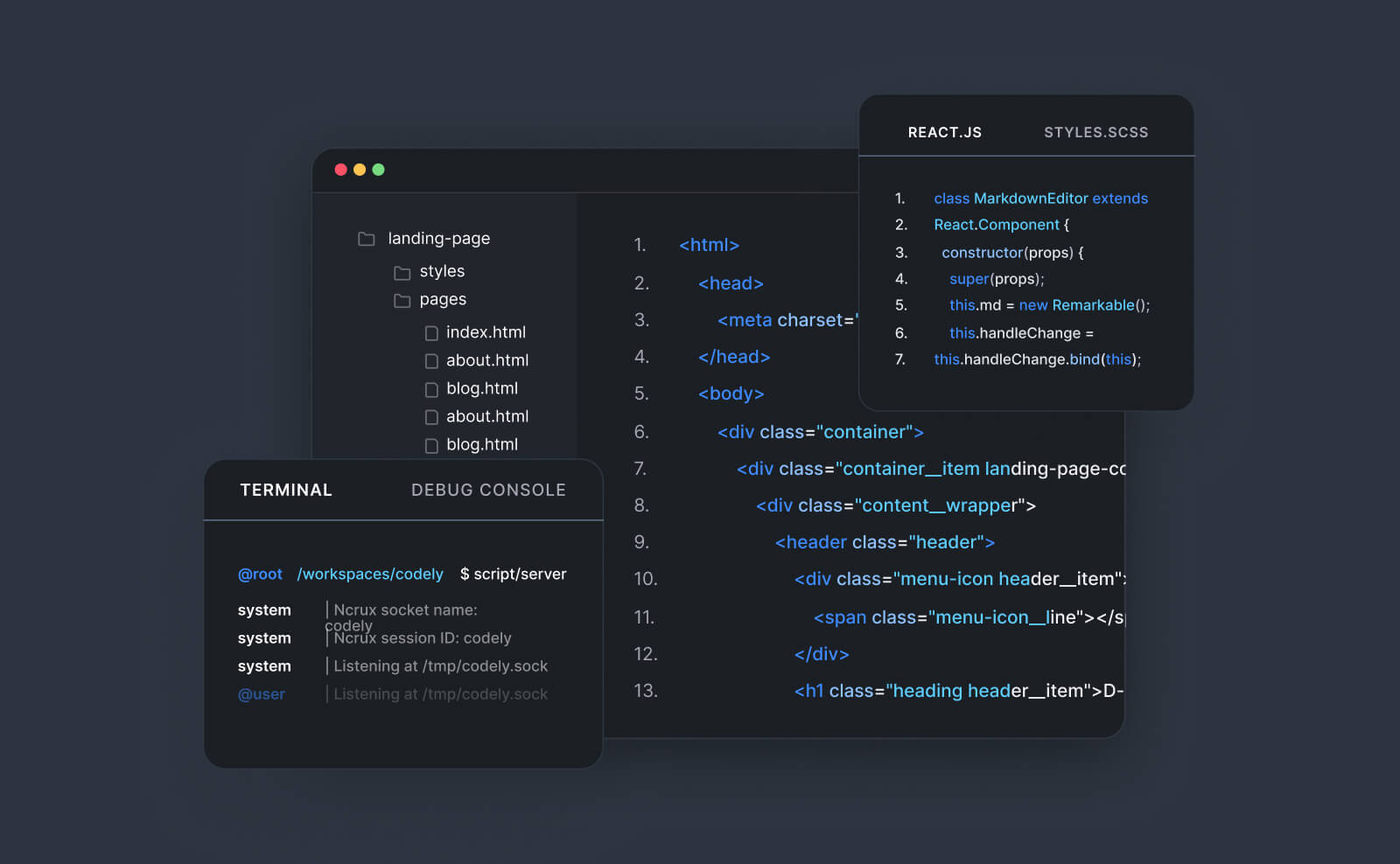
#1 VS Code by Microsoft
At risus viverra adipiscing at in tellus integer feugiat nisl pretium fusce id velit ut tortor sagittis orci a scelerisque purus semper eget at lectus urna duis convallis. Porta nibh venenatis cras sed felis eget neque laoreet suspendisse interdum consectetur libero id faucibus nisl donec pretium vulputate sapien nec sagittis aliquam nunc lobortis mattis aliquam faucibus purus in.
- Neque sodales ut etiam sit amet nisl purus non tellus orci ac auctor
- Adipiscing elit ut aliquam purus sit amet viverra suspendisse potenti
- Mauris commodo quis imperdiet massa tincidunt nunc pulvinar
- Adipiscing elit ut aliquam purus sit amet viverra suspendisse potenti
#2 Sublime Text Editor
Nisi quis eleifend quam adipiscing vitae aliquet bibendum enim facilisis gravida neque. Velit euismod in pellentesque massa placerat volutpat lacus laoreet non curabitur gravida odio aenean sed adipiscing diam donec adipiscing tristique risus. amet est placerat in egestas erat imperdiet sed euismod nisi.
“Nisi quis eleifend quam adipiscing vitae aliquet bibendum enim facilisis gravida neque velit euismod in pellentesque massa placerat”
Wrapping up the article
Eget lorem dolor sed viverra ipsum nunc aliquet bibendum felis donec et odio pellentesque diam volutpat commodo sed egestas aliquam sem fringilla ut morbi tincidunt augue interdum velit euismod eu tincidunt tortor aliquam nulla facilisi aenean sed adipiscing diam donec adipiscing ut lectus arcu bibendum at varius vel pharetra nibh venenatis cras sed felis eget.
The fees you don't see are usually bigger than the ones you do
Most freelancers notice the explicit fee a payment processor charges — 2-3% is a familiar, visible cost. What's much easier to miss is the currency conversion spread: the difference between the real exchange rate and the (usually worse) rate a bank or payment processor actually applies. On a large invoice, that spread can quietly cost more than the processing fee itself.
Where the money actually leaks
- Currency conversion spread — banks and many payment processors apply a rate 2-5% worse than the market rate, without stating it as a separate fee
- Intermediary bank fees — international wire transfers often route through one or more correspondent banks, each taking a cut, before the client's payment reaches you
- Receiving fees — some banks charge you to receive an international transfer, on top of whatever the sender already paid to send it
- Double conversion — invoicing in a currency you don't actually hold means converting once to receive it and again to spend it, paying the spread twice
Practical ways to reduce it
Invoice in a currency that minimizes conversions
Where possible, invoice in your own currency, or in whichever of your currency or the client's actually avoids an unnecessary conversion step. If you regularly work with clients in one specific currency and regularly have expenses in that same currency, holding a multi-currency account can eliminate the double-conversion problem entirely.
Use a payment processor built for cross-border transfers
Modern payment platforms designed specifically for international freelancers typically offer conversion rates much closer to the real market rate than a traditional bank wire, and make the fee structure explicit instead of hidden inside the exchange rate.
State your invoicing currency explicitly in the contract
Ambiguity about which currency an invoice is denominated in creates room for disputes if exchange rates move significantly between quoting and payment. State it plainly, and consider a currency-fluctuation clause for large or long-running projects.
"A processing fee is a cost you can see and compare. A bad exchange rate is a cost most freelancers never actually calculate — which is exactly why it's usually the bigger one."
The bigger picture
None of this requires becoming a currency expert. It requires knowing where the leaks typically happen, choosing a payment method built for cross-border work rather than a generic bank wire, and being explicit about currency in your contracts so nobody is surprised by a shifted rate mid-project.
Contractly Pro supports invoicing and payments across currencies as part of the same workflow as your contracts. Try it free →
Emile Ndagijimana
Senior Full-Stack Engineer based in France with 10+ years building enterprise systems for insurance, consulting, and international organisations. Founder of Contractly Pro — a contract management SaaS built end-to-end in .NET and Angular.