

Invoice Templates vs. Invoicing Software: What Freelancers Actually Need
The trade-offs of spreadsheets and free templates — and the point at which invoicing software actually starts paying for itself.

What Is The Difference Between A Code Editor And An IDE Or A Text Editor?
Lorem ipsum dolor sit amet, consectetur adipiscing elit lobortis arcu enim urna adipiscing praesent velit viverra sit semper lorem eu cursus vel hendrerit elementum morbi curabitur etiam nibh justo, lorem aliquet donec sed sit mi dignissim at ante massa mattis.
- Neque sodales ut etiam sit amet nisl purus non tellus orci ac auctor
- Adipiscing elit ut aliquam purus sit amet viverra suspendisse potent i
- Mauris commodo quis imperdiet massa tincidunt nunc pulvinar
- Adipiscing elit ut aliquam purus sit amet viverra suspendisse potenti
Pros and Cons of Using These Editors:
Vitae congue eu consequat ac felis placerat vestibulum lectus mauris ultrices cursus sit amet dictum sit amet justo donec enim diam porttitor lacus luctus accumsan tortor posuere praesent tristique magna sit amet purus gravida quis blandit turpis.
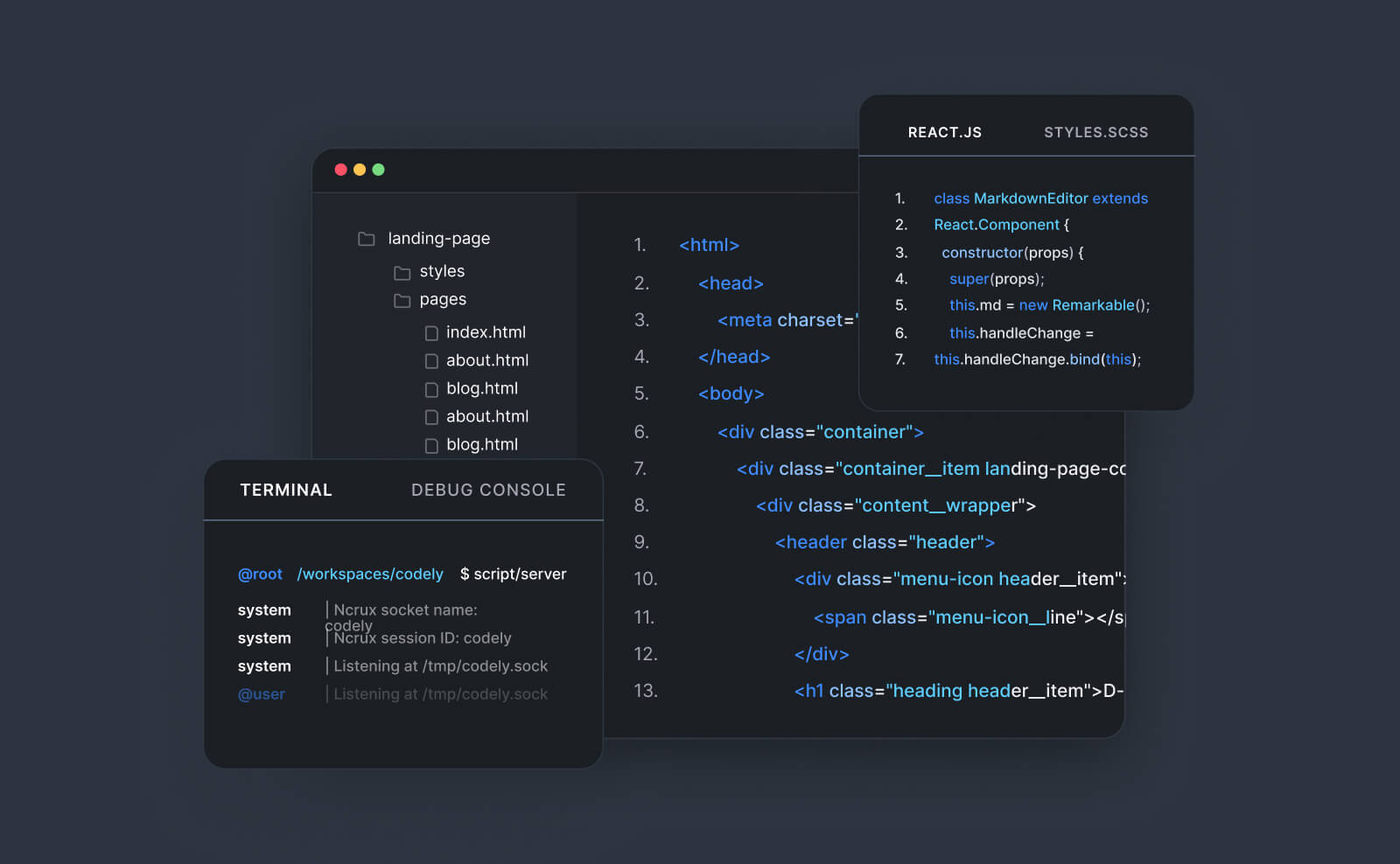
#1 VS Code by Microsoft
At risus viverra adipiscing at in tellus integer feugiat nisl pretium fusce id velit ut tortor sagittis orci a scelerisque purus semper eget at lectus urna duis convallis. Porta nibh venenatis cras sed felis eget neque laoreet suspendisse interdum consectetur libero id faucibus nisl donec pretium vulputate sapien nec sagittis aliquam nunc lobortis mattis aliquam faucibus purus in.
- Neque sodales ut etiam sit amet nisl purus non tellus orci ac auctor
- Adipiscing elit ut aliquam purus sit amet viverra suspendisse potenti
- Mauris commodo quis imperdiet massa tincidunt nunc pulvinar
- Adipiscing elit ut aliquam purus sit amet viverra suspendisse potenti
#2 Sublime Text Editor
Nisi quis eleifend quam adipiscing vitae aliquet bibendum enim facilisis gravida neque. Velit euismod in pellentesque massa placerat volutpat lacus laoreet non curabitur gravida odio aenean sed adipiscing diam donec adipiscing tristique risus. amet est placerat in egestas erat imperdiet sed euismod nisi.
“Nisi quis eleifend quam adipiscing vitae aliquet bibendum enim facilisis gravida neque velit euismod in pellentesque massa placerat”
Wrapping up the article
Eget lorem dolor sed viverra ipsum nunc aliquet bibendum felis donec et odio pellentesque diam volutpat commodo sed egestas aliquam sem fringilla ut morbi tincidunt augue interdum velit euismod eu tincidunt tortor aliquam nulla facilisi aenean sed adipiscing diam donec adipiscing ut lectus arcu bibendum at varius vel pharetra nibh venenatis cras sed felis eget.
The real question isn't "which tool" — it's "at what point does the manual version start costing more than it saves"
Every freelancer starts with a free invoice template — a spreadsheet, a Word doc, a Canva design. For a handful of invoices a month, this is genuinely fine. The question worth asking isn't whether templates are bad; it's at what point the time and risk of managing them manually exceeds what invoicing software would cost.
What templates are actually good at
A simple template is fast to start with, free, and fully under your control — no subscription, no learning curve, no dependency on a tool staying in business. For a freelancer sending two or three invoices a month to a small, stable set of clients, this is a completely reasonable setup.
Where templates start costing you
Manual numbering errors
Reused invoice numbers, skipped numbers, or numbers assigned out of order are easy mistakes to make by hand — and in many countries, an inconsistent invoice sequence is exactly the kind of thing that draws extra scrutiny in a tax review.
No visibility across clients
A spreadsheet answers "what's this invoice's status" one row at a time. It doesn't easily answer "which of my twelve clients currently owe me money" without you manually cross-referencing your bank statement — a task that gets skipped exactly when you're busiest.
No automation
Every reminder, every recurring invoice, every payment confirmation is a manual action on a template. That's fine at low volume. At higher volume, it becomes the task that quietly eats an afternoon every month.
When invoicing software actually pays for itself
- You're sending more than roughly 5-10 invoices a month
- You have any recurring or retainer clients that need repeat billing
- You've ever lost track of whether a specific invoice was paid
- You're spending real time chasing payments manually each month
Below that threshold, a well-made template is a reasonable choice. Above it, the time spent maintaining a manual process usually costs more — in hours and in missed or late payments — than a proper invoicing tool.
"Templates don't fail because they're low quality. They fail because they don't scale past a handful of clients without your own manual effort scaling right alongside them."
The real upgrade isn't just invoicing
The biggest limitation of a standalone invoicing template or tool isn't invoicing itself — it's that it lives disconnected from your quotes and contracts, meaning every invoice starts from scratch even though most of the information already exists somewhere else.
Contractly Pro generates invoices directly from signed contracts, with automatic numbering and payment tracking built in. Try it free →
Emile Ndagijimana
Senior Full-Stack Engineer based in France with 10+ years building enterprise systems for insurance, consulting, and international organisations. Founder of Contractly Pro — a contract management SaaS built end-to-end in .NET and Angular.