

How to Write an Invoice That Actually Gets Paid Faster
Structure, clear terms, payment methods, and the follow-up cadence that gets invoices paid without an uncomfortable conversation.

What Is The Difference Between A Code Editor And An IDE Or A Text Editor?
Lorem ipsum dolor sit amet, consectetur adipiscing elit lobortis arcu enim urna adipiscing praesent velit viverra sit semper lorem eu cursus vel hendrerit elementum morbi curabitur etiam nibh justo, lorem aliquet donec sed sit mi dignissim at ante massa mattis.
- Neque sodales ut etiam sit amet nisl purus non tellus orci ac auctor
- Adipiscing elit ut aliquam purus sit amet viverra suspendisse potent i
- Mauris commodo quis imperdiet massa tincidunt nunc pulvinar
- Adipiscing elit ut aliquam purus sit amet viverra suspendisse potenti
Pros and Cons of Using These Editors:
Vitae congue eu consequat ac felis placerat vestibulum lectus mauris ultrices cursus sit amet dictum sit amet justo donec enim diam porttitor lacus luctus accumsan tortor posuere praesent tristique magna sit amet purus gravida quis blandit turpis.
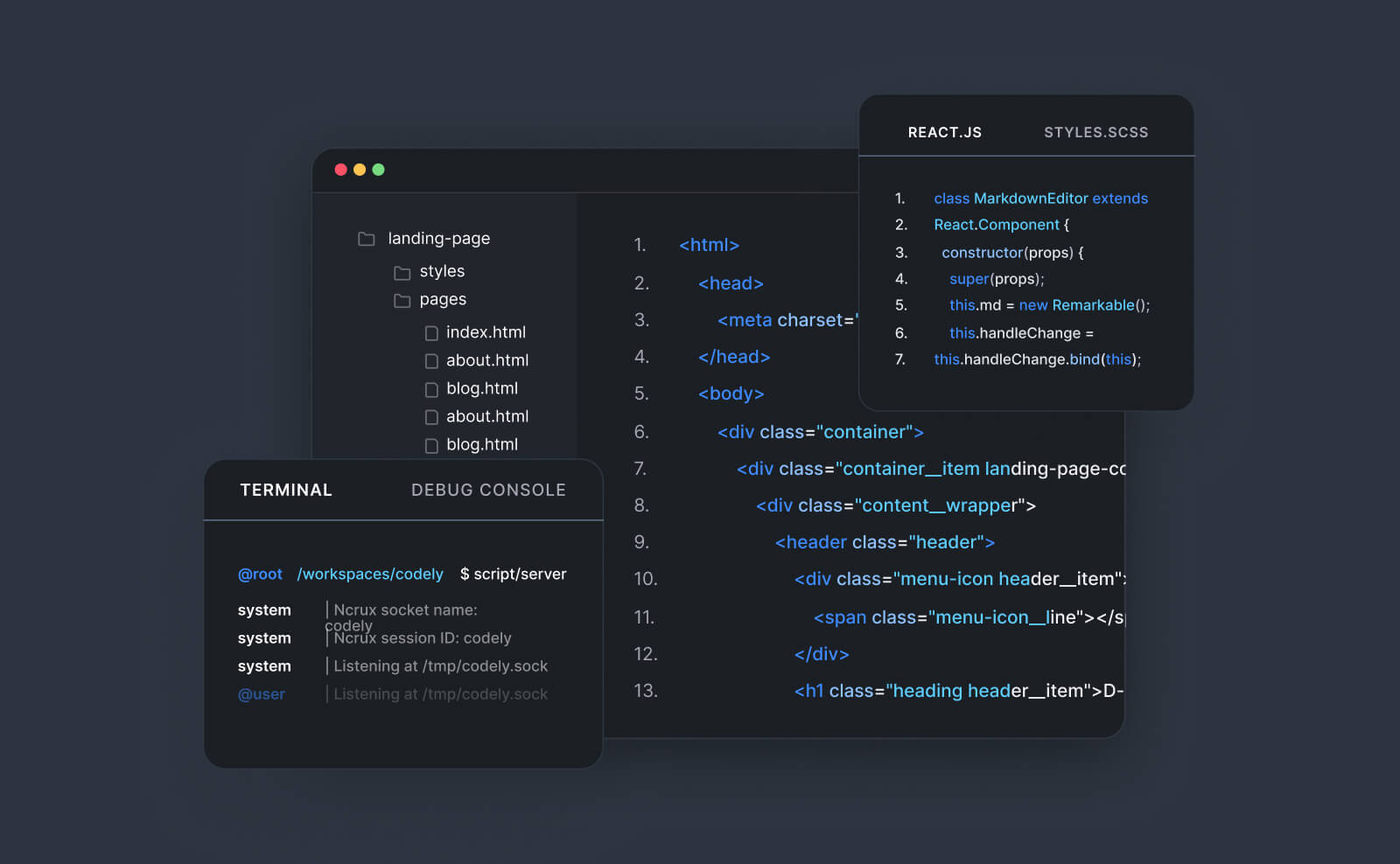
#1 VS Code by Microsoft
At risus viverra adipiscing at in tellus integer feugiat nisl pretium fusce id velit ut tortor sagittis orci a scelerisque purus semper eget at lectus urna duis convallis. Porta nibh venenatis cras sed felis eget neque laoreet suspendisse interdum consectetur libero id faucibus nisl donec pretium vulputate sapien nec sagittis aliquam nunc lobortis mattis aliquam faucibus purus in.
- Neque sodales ut etiam sit amet nisl purus non tellus orci ac auctor
- Adipiscing elit ut aliquam purus sit amet viverra suspendisse potenti
- Mauris commodo quis imperdiet massa tincidunt nunc pulvinar
- Adipiscing elit ut aliquam purus sit amet viverra suspendisse potenti
#2 Sublime Text Editor
Nisi quis eleifend quam adipiscing vitae aliquet bibendum enim facilisis gravida neque. Velit euismod in pellentesque massa placerat volutpat lacus laoreet non curabitur gravida odio aenean sed adipiscing diam donec adipiscing tristique risus. amet est placerat in egestas erat imperdiet sed euismod nisi.
“Nisi quis eleifend quam adipiscing vitae aliquet bibendum enim facilisis gravida neque velit euismod in pellentesque massa placerat”
Wrapping up the article
Eget lorem dolor sed viverra ipsum nunc aliquet bibendum felis donec et odio pellentesque diam volutpat commodo sed egestas aliquam sem fringilla ut morbi tincidunt augue interdum velit euismod eu tincidunt tortor aliquam nulla facilisi aenean sed adipiscing diam donec adipiscing ut lectus arcu bibendum at varius vel pharetra nibh venenatis cras sed felis eget.
An invoice is a request, not just a record
Most freelancers treat an invoice as an afterthought — a summary of work already agreed on, sent as a formality. That framing misses what actually makes an invoice effective: it's the document that turns "I did the work" into "please pay me now," and small structural choices measurably change how fast that happens.
The structure that gets paid faster
Lead with the total, not the breakdown
Put the amount due and the due date at the top, clearly visible without scrolling. Clients scanning a busy inbox decide whether to act on an invoice in seconds — bury the number in a line-item table and you're relying on them to dig for it.
Make the payment method one click away
A payment link directly on the invoice converts faster than "bank details attached, please transfer." Every extra step between "I want to pay this" and "I paid this" is a place the payment stalls, sometimes for days.
State the due date as a date, not a term
"Due August 18, 2026" gets paid faster than "Net 15." Clients do the date math eventually, but a specific date removes the calculation entirely and creates a concrete deadline instead of an abstract one.
Terms that remove ambiguity
- A late fee or penalty rate, stated on the invoice itself, not just buried in the original contract
- Accepted payment methods listed explicitly — don't make a client guess whether you take cards, bank transfer, or both
- A clear invoice number and reference to the project or contract it relates to, so it's unambiguous to a client's accounting team
The follow-up cadence that works without feeling pushy
Most late payments aren't disputes — they're the invoice slipping down someone's priority list. A predictable, professional follow-up cadence fixes most of them without ever needing an uncomfortable conversation:
- One day before the due date: a brief, friendly reminder — this catches invoices that were simply forgotten
- On the due date: a neutral note confirming payment is due today
- 3-5 days after, if unpaid: a direct follow-up referencing the specific late fee from your terms
- 10+ days after: a firmer message, and a decision point on whether to pause further work
"The goal of a follow-up cadence isn't to sound aggressive — it's to make sure an invoice never goes quiet just because you got busy and forgot to check."
Why this matters more than it seems
None of these changes require new leverage over a client — they're just removing friction and ambiguity from a process that's often accidentally vague. An invoice that's clear, easy to pay, and consistently followed up on will get paid faster than a nicer-looking invoice with none of those properties.
Contractly Pro generates invoices directly from signed contracts, with payment links and automated reminders built in. Try it free →
Emile Ndagijimana
Senior Full-Stack Engineer based in France with 10+ years building enterprise systems for insurance, consulting, and international organisations. Founder of Contractly Pro — a contract management SaaS built end-to-end in .NET and Angular.