

From .NET Enterprise Systems to a Global SaaS: What Transferred and What Didn't
Architecture lessons from a decade of enterprise .NET work — what carried over directly to building Contractly Pro, and what had to change.

What Is The Difference Between A Code Editor And An IDE Or A Text Editor?
Lorem ipsum dolor sit amet, consectetur adipiscing elit lobortis arcu enim urna adipiscing praesent velit viverra sit semper lorem eu cursus vel hendrerit elementum morbi curabitur etiam nibh justo, lorem aliquet donec sed sit mi dignissim at ante massa mattis.
- Neque sodales ut etiam sit amet nisl purus non tellus orci ac auctor
- Adipiscing elit ut aliquam purus sit amet viverra suspendisse potent i
- Mauris commodo quis imperdiet massa tincidunt nunc pulvinar
- Adipiscing elit ut aliquam purus sit amet viverra suspendisse potenti
Pros and Cons of Using These Editors:
Vitae congue eu consequat ac felis placerat vestibulum lectus mauris ultrices cursus sit amet dictum sit amet justo donec enim diam porttitor lacus luctus accumsan tortor posuere praesent tristique magna sit amet purus gravida quis blandit turpis.
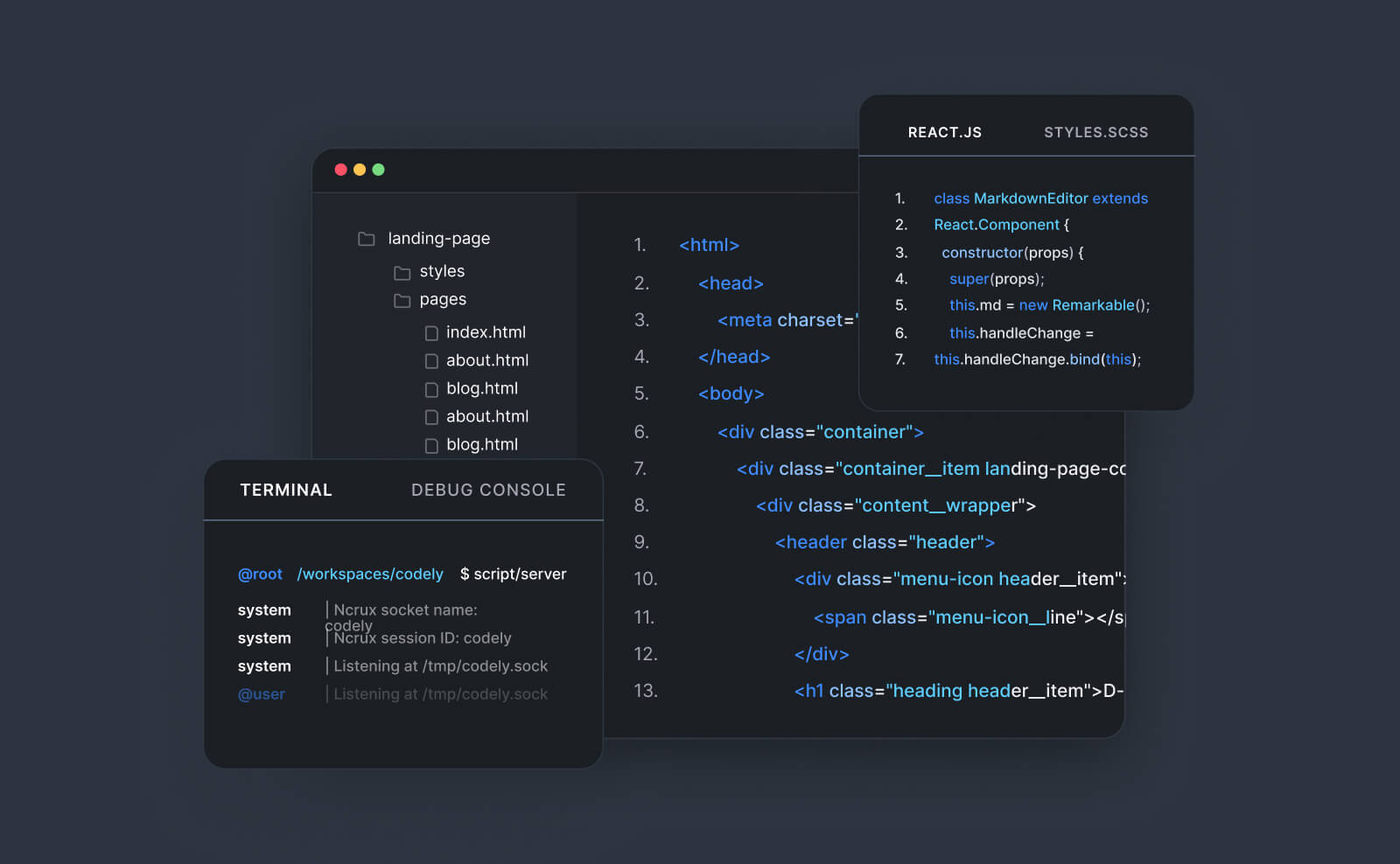
#1 VS Code by Microsoft
At risus viverra adipiscing at in tellus integer feugiat nisl pretium fusce id velit ut tortor sagittis orci a scelerisque purus semper eget at lectus urna duis convallis. Porta nibh venenatis cras sed felis eget neque laoreet suspendisse interdum consectetur libero id faucibus nisl donec pretium vulputate sapien nec sagittis aliquam nunc lobortis mattis aliquam faucibus purus in.
- Neque sodales ut etiam sit amet nisl purus non tellus orci ac auctor
- Adipiscing elit ut aliquam purus sit amet viverra suspendisse potenti
- Mauris commodo quis imperdiet massa tincidunt nunc pulvinar
- Adipiscing elit ut aliquam purus sit amet viverra suspendisse potenti
#2 Sublime Text Editor
Nisi quis eleifend quam adipiscing vitae aliquet bibendum enim facilisis gravida neque. Velit euismod in pellentesque massa placerat volutpat lacus laoreet non curabitur gravida odio aenean sed adipiscing diam donec adipiscing tristique risus. amet est placerat in egestas erat imperdiet sed euismod nisi.
“Nisi quis eleifend quam adipiscing vitae aliquet bibendum enim facilisis gravida neque velit euismod in pellentesque massa placerat”
Wrapping up the article
Eget lorem dolor sed viverra ipsum nunc aliquet bibendum felis donec et odio pellentesque diam volutpat commodo sed egestas aliquam sem fringilla ut morbi tincidunt augue interdum velit euismod eu tincidunt tortor aliquam nulla facilisi aenean sed adipiscing diam donec adipiscing ut lectus arcu bibendum at varius vel pharetra nibh venenatis cras sed felis eget.
The instinct that transferred directly: layer separation
I've written before about how I structure .NET backends with strict layer separation — Domain, Application, Infrastructure, Presentation, dependencies always pointing inward. That instinct transferred to Contractly Pro without modification. A SaaS serving freelancers in ten languages across multiple countries has just as much reason to keep business rules independent of infrastructure as an insurance claims system does — arguably more, because the infrastructure (payment providers, e-signature vendors, tax rules per country) is guaranteed to keep changing as the product grows into new markets.
When I added a second payment provider for a specific region, the change touched exactly one project in the solution. That's not a coincidence — it's the direct payoff of keeping Infrastructure as the only layer allowed to know about a specific vendor's SDK.
The instinct that had to change: speed of iteration
Enterprise systems optimize for correctness and stability over speed of change, because the cost of a mistake — an insurance claim processed incorrectly, a compliance breach — is severe, and the user base is captive (employees use the internal tool because it's the internal tool). A SaaS with freelancers who can cancel their subscription and switch to a competitor within minutes has a completely different risk profile. Being slow to ship a fix or a requested feature is its own kind of failure.
That meant deliberately relaxing some enterprise habits: fewer approval gates before a change ships, smaller and more frequent releases instead of large quarterly ones, and accepting that some polish gets added after a feature ships to real users rather than before. The architectural rigor stayed. The release process got dramatically faster.
What multi-country, multi-language actually demands
Enterprise software I built was usually single-tenant or single-market — one insurer, one set of business rules, one country's regulations. Contractly Pro supports 10 languages and has to adapt to different countries' contract and invoicing norms from day one. That pushed a few decisions that wouldn't have mattered in my previous work:
- Locale and currency formatting live at the edges (Presentation), never assumed inside Domain logic
- Compliance rules (like mandatory invoice fields) are modeled as pluggable per-country policies, not hardcoded conditionals scattered through the codebase
- Every piece of user-facing text is externalized for translation from the first commit, not retrofitted later
"The architecture patterns that kept a single insurer's claims system maintainable are the same ones that let a solo founder support ten languages without the codebase collapsing under its own conditionals."
The real lesson
Good architecture isn't industry-specific. The discipline that kept enterprise systems maintainable — clear boundaries, dependencies pointing one direction, infrastructure kept firmly out of business logic — is exactly what let one person build and maintain a product serving freelancers across multiple countries without drowning in complexity. What changed wasn't the principles. It was how fast I was willing to move on top of them.
Emile Ndagijimana
Senior Full-Stack Engineer based in France with 10+ years building enterprise systems for insurance, consulting, and international organisations. Founder of Contractly Pro — a contract management SaaS built end-to-end in .NET and Angular.