

Scope Creep: How to Say No Without Losing the Client
Recognizing scope creep while it's happening, the contract language that prevents most of it, and scripts for pushing back professionally.

What Is The Difference Between A Code Editor And An IDE Or A Text Editor?
Lorem ipsum dolor sit amet, consectetur adipiscing elit lobortis arcu enim urna adipiscing praesent velit viverra sit semper lorem eu cursus vel hendrerit elementum morbi curabitur etiam nibh justo, lorem aliquet donec sed sit mi dignissim at ante massa mattis.
- Neque sodales ut etiam sit amet nisl purus non tellus orci ac auctor
- Adipiscing elit ut aliquam purus sit amet viverra suspendisse potent i
- Mauris commodo quis imperdiet massa tincidunt nunc pulvinar
- Adipiscing elit ut aliquam purus sit amet viverra suspendisse potenti
Pros and Cons of Using These Editors:
Vitae congue eu consequat ac felis placerat vestibulum lectus mauris ultrices cursus sit amet dictum sit amet justo donec enim diam porttitor lacus luctus accumsan tortor posuere praesent tristique magna sit amet purus gravida quis blandit turpis.
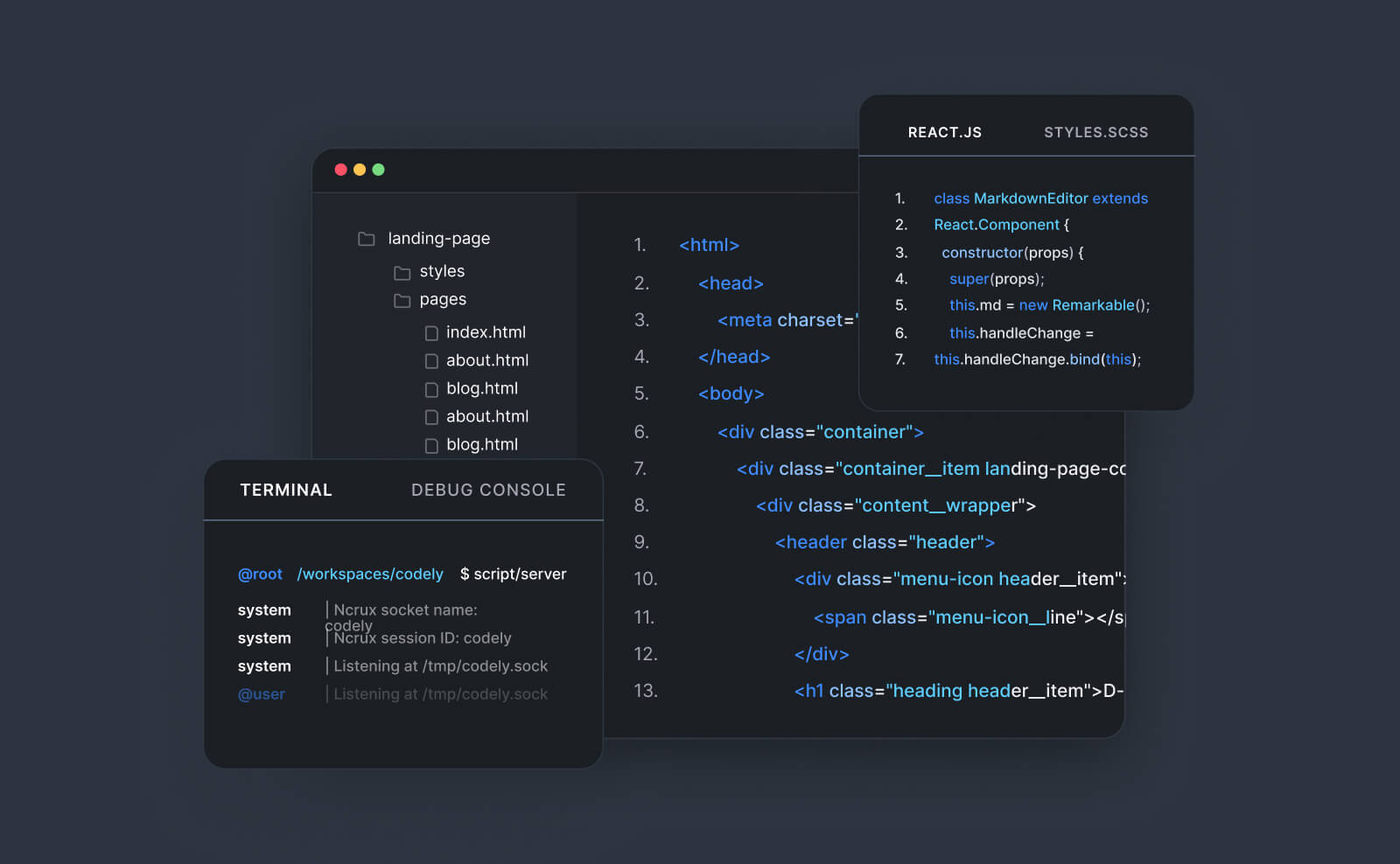
#1 VS Code by Microsoft
At risus viverra adipiscing at in tellus integer feugiat nisl pretium fusce id velit ut tortor sagittis orci a scelerisque purus semper eget at lectus urna duis convallis. Porta nibh venenatis cras sed felis eget neque laoreet suspendisse interdum consectetur libero id faucibus nisl donec pretium vulputate sapien nec sagittis aliquam nunc lobortis mattis aliquam faucibus purus in.
- Neque sodales ut etiam sit amet nisl purus non tellus orci ac auctor
- Adipiscing elit ut aliquam purus sit amet viverra suspendisse potenti
- Mauris commodo quis imperdiet massa tincidunt nunc pulvinar
- Adipiscing elit ut aliquam purus sit amet viverra suspendisse potenti
#2 Sublime Text Editor
Nisi quis eleifend quam adipiscing vitae aliquet bibendum enim facilisis gravida neque. Velit euismod in pellentesque massa placerat volutpat lacus laoreet non curabitur gravida odio aenean sed adipiscing diam donec adipiscing tristique risus. amet est placerat in egestas erat imperdiet sed euismod nisi.
“Nisi quis eleifend quam adipiscing vitae aliquet bibendum enim facilisis gravida neque velit euismod in pellentesque massa placerat”
Wrapping up the article
Eget lorem dolor sed viverra ipsum nunc aliquet bibendum felis donec et odio pellentesque diam volutpat commodo sed egestas aliquam sem fringilla ut morbi tincidunt augue interdum velit euismod eu tincidunt tortor aliquam nulla facilisi aenean sed adipiscing diam donec adipiscing ut lectus arcu bibendum at varius vel pharetra nibh venenatis cras sed felis eget.
Scope creep rarely arrives as one big ask
Scope creep almost never shows up as an obvious, unreasonable demand — it arrives as a string of small, individually reasonable-sounding requests. "Could you also just..." "While you're in there, can you..." "This should be quick, right?" Each one is easy to say yes to. The cumulative effect, over a project, is doing significantly more work than you quoted for.
Recognizing it while it's happening
The clearest signal of scope creep isn't the size of a request — it's whether it falls outside what was actually agreed in the scope document. A useful gut-check: if you couldn't point to the line in your contract or quote that covers this request, it's very likely outside scope, regardless of how small it feels in the moment.
- A "quick addition" that wasn't in the original deliverables list
- A revision request that goes beyond the agreed number of revision rounds
- A new deliverable introduced mid-project without a corresponding change in timeline or price
- Feedback that keeps arriving from someone who wasn't part of the original sign-off
The contract language that prevents most of it
The best defense against scope creep is written before the project starts, not negotiated in the moment: a clearly itemized scope, an explicit revision limit, and a stated process for handling anything beyond it (typically: any additional work requires a written change order with its own price and timeline before it begins). This turns "is this in scope" from a debate into a simple factual check against the document both sides already signed.
Scripts for pushing back without losing the client
For a small, one-off addition
"Happy to add that — since it's outside what we scoped, I'll send a quick change order with the extra time and cost before I start on it." This isn't a refusal. It's a redirection to the process you already agreed on, which most reasonable clients respect immediately.
For a pattern of small requests adding up
"I've noticed we've added a few things beyond the original scope — let's take stock of what's been added and agree on an updated scope and price going forward, so we're both clear." This resets the relationship to a shared, written understanding instead of letting the drift continue silently.
For a client who pushes back on the change order
"I want to make sure this is priced fairly for both of us — the original quote covered [X], and this request is genuinely additional work outside that." Calm, factual, and anchored to the document — not a negotiation about whether the request is reasonable in the abstract.
"Saying no to scope creep isn't refusing the client. It's protecting the agreement you both already made."
Why this rarely damages the relationship
Clients who push back hard against a fair, well-explained change order are rare — most understand that additional work costs more, and respect a freelancer who handles it professionally instead of either resentfully absorbing it or refusing outright. The freelancers who struggle most with scope creep are usually the ones without a clear scope document to point back to in the first place.
Contractly Pro keeps your original scope and any change orders tied to the same contract, so it's always clear what was agreed and what wasn't. Try it free →
Emile Ndagijimana
Senior Full-Stack Engineer based in France with 10+ years building enterprise systems for insurance, consulting, and international organisations. Founder of Contractly Pro — a contract management SaaS built end-to-end in .NET and Angular.